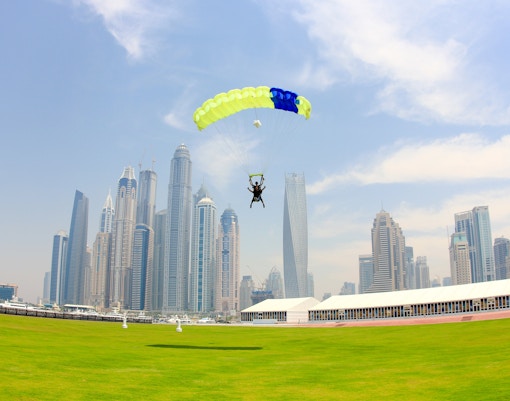
Tandem Skydiving explained: What is tandem skydiving
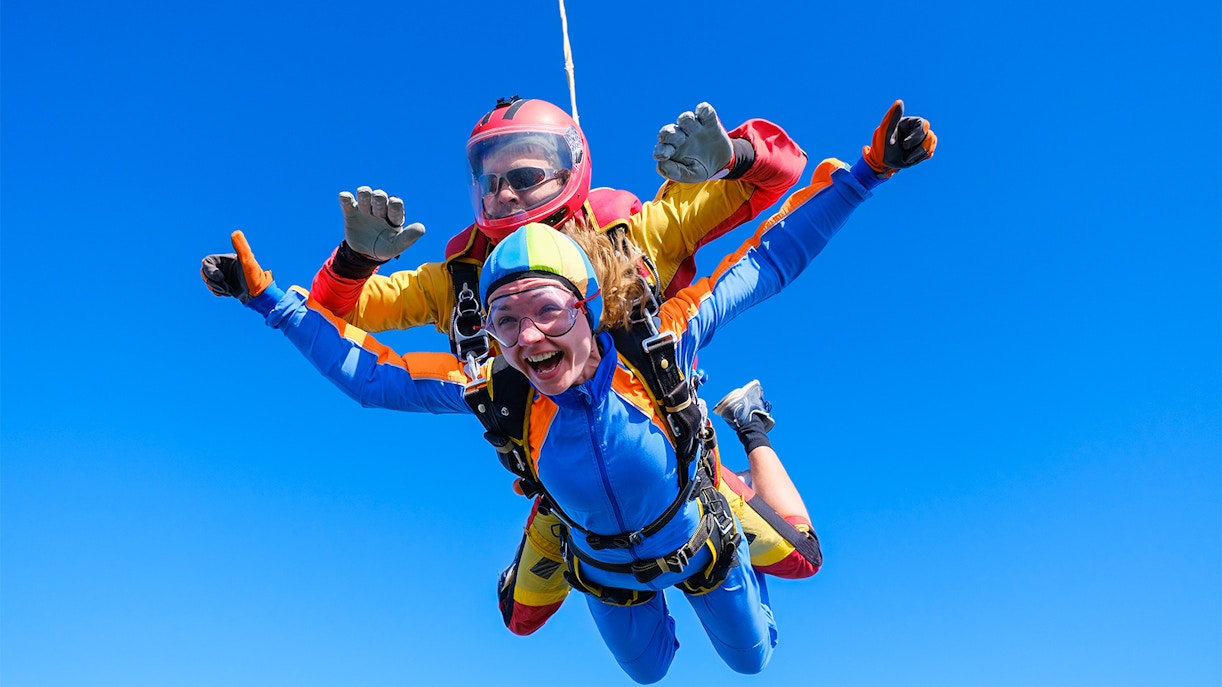
Tandem skydiving means jumping while securely harnessed to a certified instructor. They handle the dive from start to finish, so all our skydives are safe, guided, and perfect for first-timers.
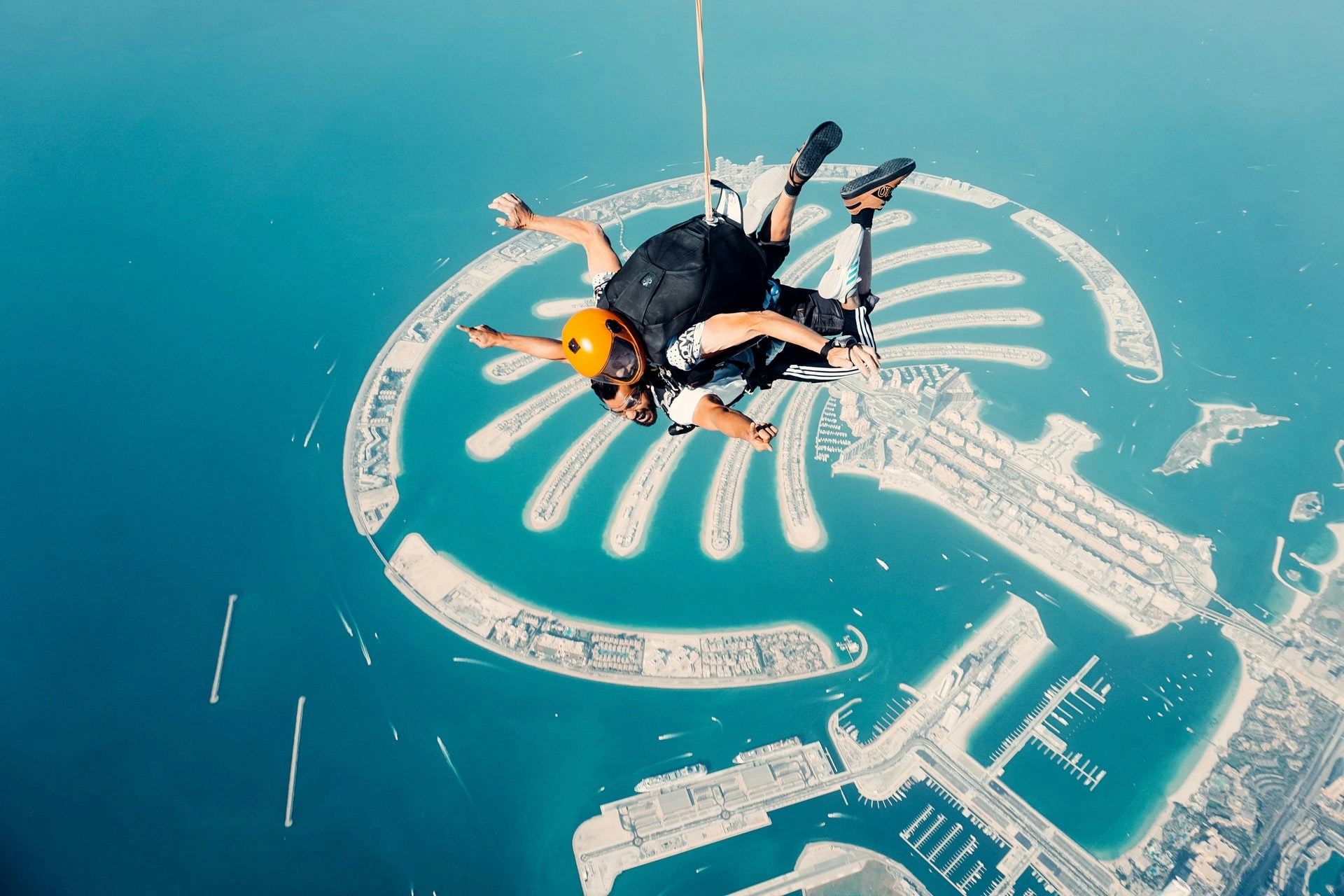
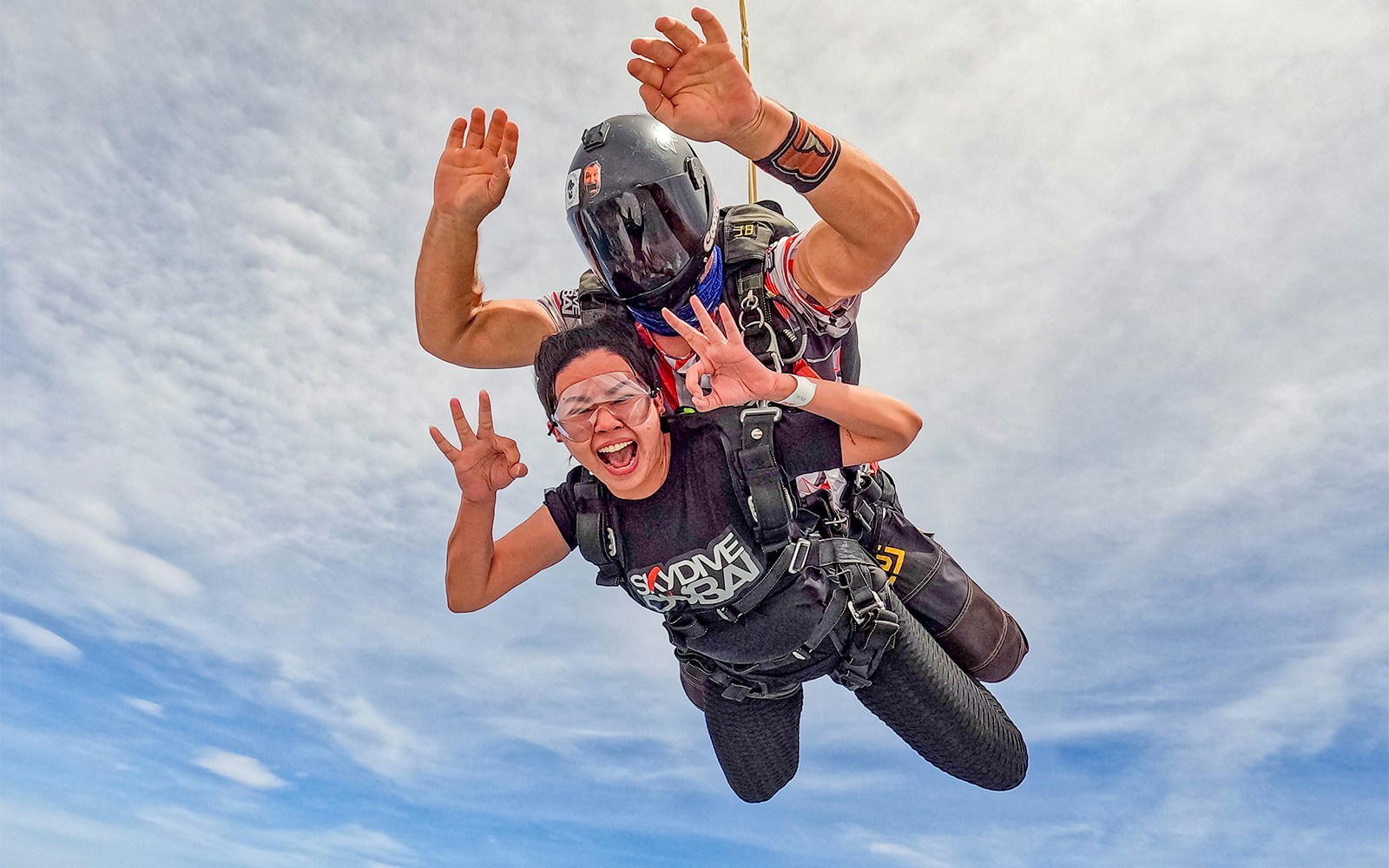
Tandem skydiving in images
How safety is guaranteed in tandem skydiving
Extensive experience with usually thousands of jumps.
International certification from bodies like USPA or BPA, meeting strict global safety standards.
Provides clear pre-jump briefing covering posture, freefall basics, and landing.
Gives full guidance throughout the experience, answering questions and keeping you confident from takeoff to landing.
Two parachutes: A main canopy and a carefully packed reserve.
AAD (Automatic Activation Device): Opens the reserve automatically if needed.
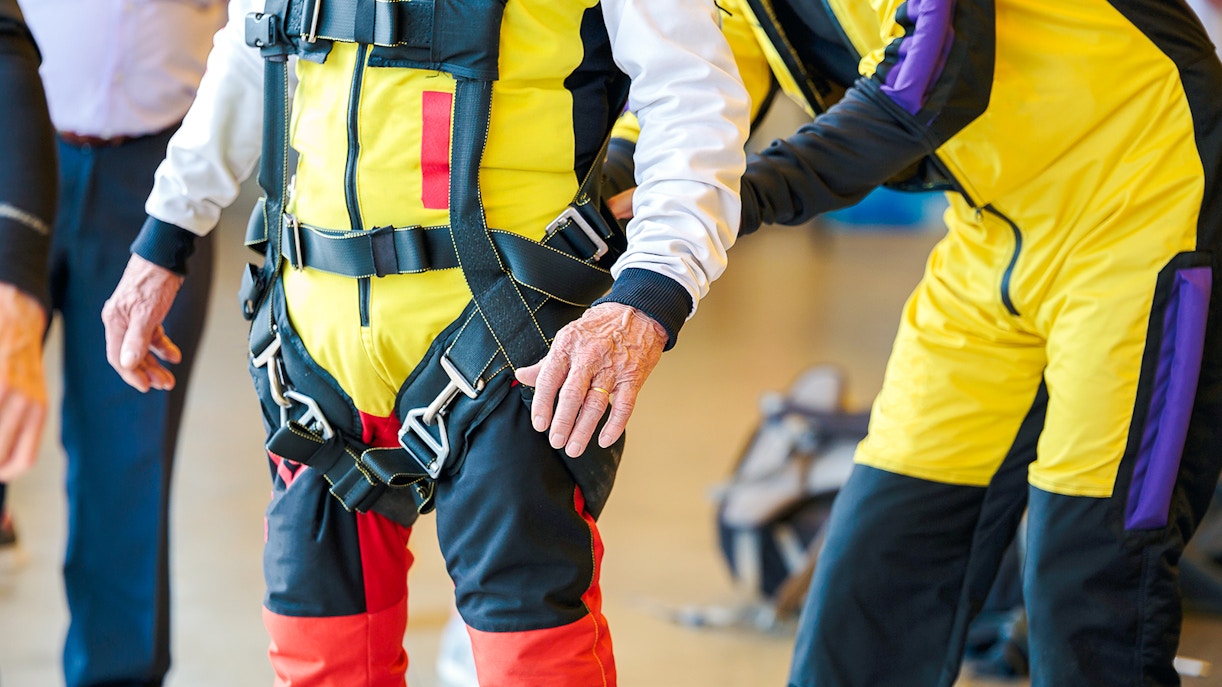
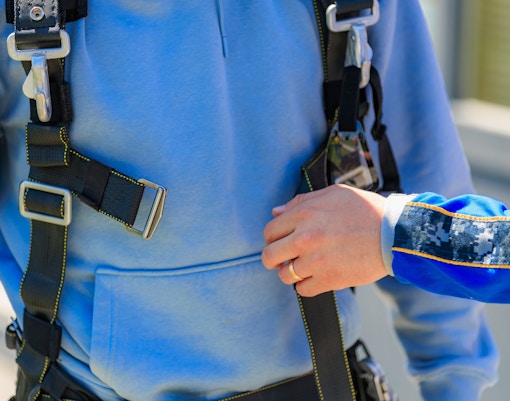
Secure harness system: Keeps you firmly connected to your instructor as one unit from exit to landing.
Routine inspections: All equipment is checked and maintained before every jump.
Health restrictions: Conditions like pregnancy, heart issues, epilepsy, recent major injuries, uncontrolled high BP, severe respiratory problems, certain mental health conditions, or drug/alcohol dependency may prevent participation.
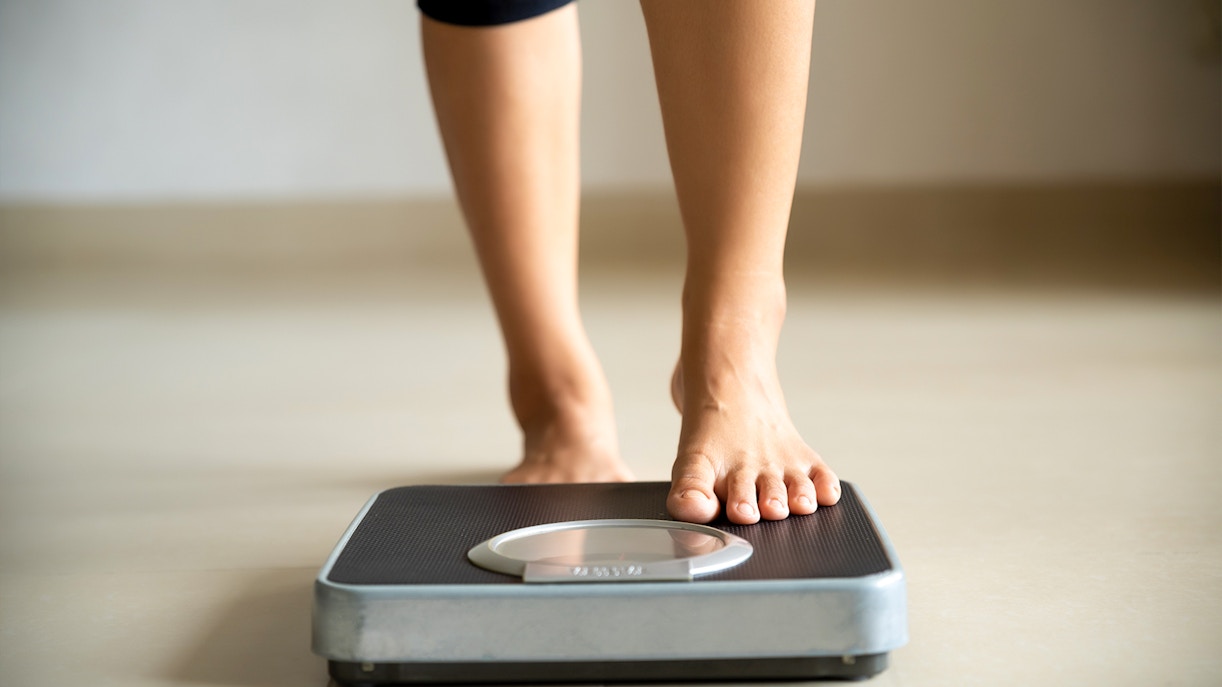
Weight & BMI guidelines:
Women: ≤ 90 kg, BMI ≤ 27.5
Men: ≤ 100 kg, BMI ≤ 30
Strong winds, low clouds, or rain may lead to delays or rescheduling.
Booking ahead gives you more flexibility if the weather shifts.
Safety-first approach: Jumps proceed only when conditions are stable and approved.
Getting ready for your tandem skydive
Your pre-jump briefing
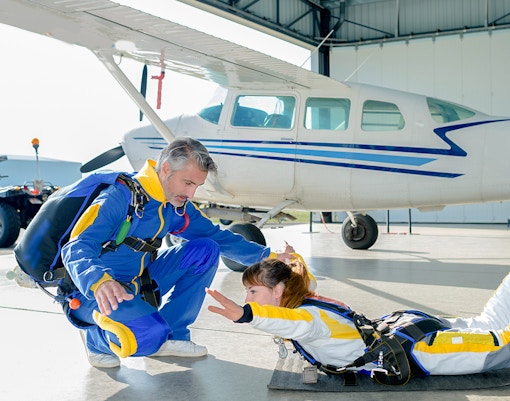
Before you suit up, you’ll join a quick 20–30 minute session with your instructor covering:
Safety basics: Body position, freefall form, and landing.
Hand signals: Simple cues to keep communication clear in the air.
Gear intro: A quick look at your harness and parachute system to build confidence.
Simple prep (no formal training needed)
You don’t need lessons, but a few small steps help:
Watch a short tandem skydive video to feel familiar with the process.
Practice a light freefall arch on the ground for better comfort mid-air.
Food & hydration
Have a light meal a few hours before your jump and sip water through the day to stay energized.
Health considerations
Some medical conditions may require a doctor’s clearance (e.g., heart issues, epilepsy, recent injuries, high BP, severe respiratory conditions, pregnancy).
You’ll complete a quick health form on arrival, and if you’re unsure, it’s best to speak with your doctor and the instructors ahead of time.
The jump: What happens from takeoff to touchdown
Pre-jump prep
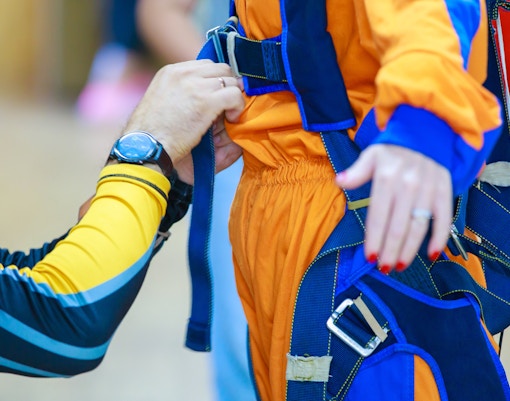
After your briefing, your instructor fits and double-checks your harness, altimeter, goggles, and secure points.
You’ll run through final reminders on posture, signals, and what to expect in the aircraft.
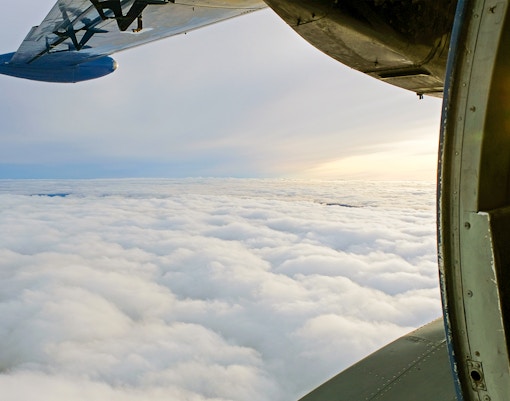
The plane ride
You’ll board with your instructor, who stays strapped in beside you.
As the plane climbs to jump altitude, they carry out additional safety checks, review exit position with you, and make sure you’re comfortable and ready.
The exit & freefall
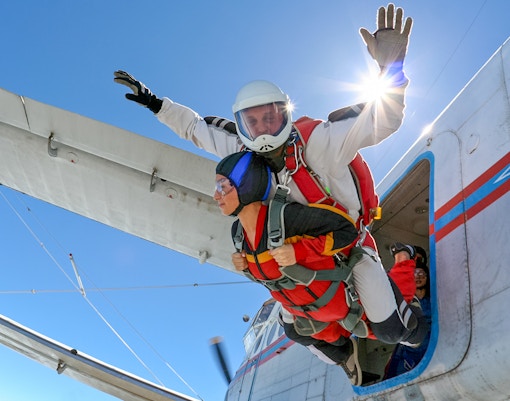
At the door, your instructor positions you for the tandem exit.
Once you leap, they manage stability, direction, and speed, so you can enjoy the freefall without worrying about the technical side.
Parachute deployment
Around the safe deployment altitude, your instructor releases the parachute.
You’ll feel the transition from rush to calm as the canopy opens and the pace slows.
The descent
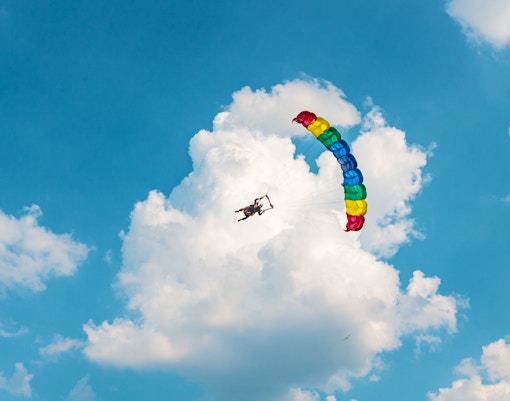
Under the parachute, your instructor steers and controls the glide toward the landing area.
You can take in the views, chat with them, and prepare for landing with simple posture instructions.
Landing
Your instructor handles the final approach and touchdown, supported by a landing crew on the ground.
You’ll raise your legs when asked, and they’ll guide you into a smooth, controlled landing.
Tips for your first tandem skydive
Dress for action: Wear comfy, weather-appropriate athletic clothes; skip loose items and open-toed shoes. Feeling cold? Ask for a jumpsuit.
Fuel your body: Eat a balanced meal a few hours before (or a smoothie if nervous). Stay hydrated, but avoid alcohol for 24 hours.
Pack smart: Bring ID, hair tie (if needed), and jump clothes; leave valuables at home. Gear is provided.
Be on time: Arrive early for check-in and the briefing to avoid stress.
Master the basics: Follow your instructor’s cues for freefall and landing.
Breathe & enjoy: Nerves are normal; focus on breathing and savor the experience.
Frequently asked questions about tandem skydiving:
Booking online is highly recommended. You can book your skydiving in Dubai at Palm dropzone tickets here.
Tandem skydiving utilizes state-of-the-art equipment with rigorous maintenance procedures and built-in backups. Highly trained and certified instructors guide you through every step, prioritizing safety throughout the jump. Additionally, Automatic Activation Devices (AADs) are sewn into the system and designed to deploy the parachute automatically if the jumper fails to do so at a safe altitude.
Due to meticulous maintenance and safety features, parachute malfunctions are extremely rare. However, all skydiving equipment in Dubai utilizes a main parachute and a securely packed backup parachute.
There's no formal training program for tandem skydiving. You'll receive a detailed pre-jump briefing that covers safety protocols, communication signals, and basic equipment functionality.
The minimum age requirement typically starts at 18 years old. Weight limitations are also in place, usually around 90kg (198 lbs) and a Body Mass Index (BMI) of 27.5 or less for women and 100kg (220 lbs) and a BMI of 30 or less for men.
The entire experience, from arrival to landing, typically takes 3-4 hours. The freefall itself lasts for an exhilarating 60 seconds.
Upon arrival at the dropzone, you'll check in and receive a detailed safety briefing from your instructor. Then, you'll be geared up in a jumpsuit, harness, and goggles. You'll board the aircraft with your instructor, who will be securely harnessed to you throughout the jump. Once at altitude, the door will open, and you'll experience the rush of freefall securely connected to your instructor. After a period of freefall, the parachute will be deployed, and you'll enjoy a scenic descent before landing smoothly on the dropzone.
The initial feeling of freefall can be surprising, a rush of wind and a sensation of weightlessness. Many people describe it as exhilarating and liberating. Your instructor will guide your body position for stability and comfort throughout the freefall.
Absolutely! Contrary to popular belief, you can breathe normally during freefall. The air pressure at jump altitude allows for normal breathing.
Most skydiving centers provide special goggles designed to fit over glasses or contact lenses. Discuss your vision needs with the staff beforehand.
No prior skydiving experience is required for tandem skydiving! You'll be securely harnessed to a certified instructor throughout the jump, ensuring your safety and enjoyment.
Your tandem skydiving at the palm dropzone includes photos and videos. Certain medical conditions may restrict you from skydiving, especially if you have any concerns about your heart health, or respiratory system, or experience frequent fainting spells. The skydiving company may require you to complete a health questionnaire before booking.
Wear comfortable, athletic clothing like sweatpants, joggers, or leggings and a t-shirt or long-sleeved top. Avoid loose clothing or anything that could snag on the equipment. Closed-toe shoes with good ankle support are essential.