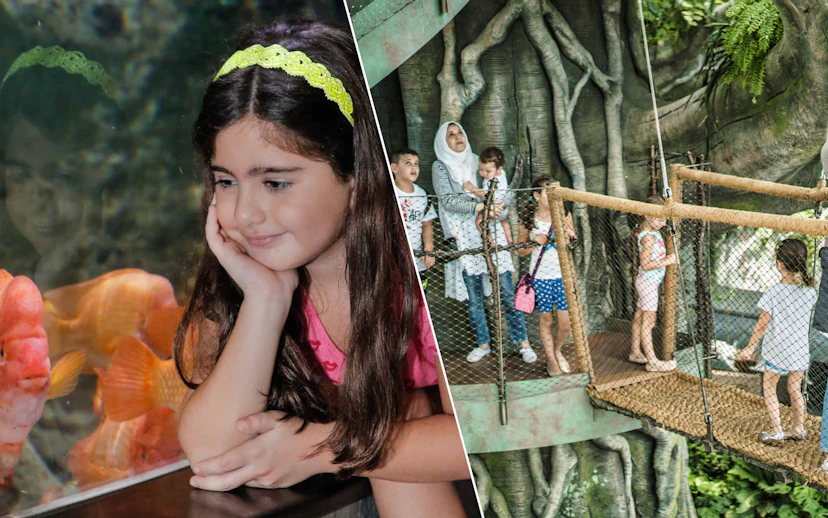
The Green Planet Dubai visitor guide

The Green Planet Dubai is an indoor tropical biodome best known for its huge central tree, free-flying birds, sloths, and a short but immersive rainforest loop. This is not a half-day zoo — most visits run 60–90 minutes, and the experience feels more vertical than vast. What changes the visit most is timing: the entry elevator, the sloth viewing area, and encounter check-ins create the main slowdowns. This guide helps you plan arrival, pacing, tickets, and the route that works best.

Quick overview: The Green Planet Dubai at a glance

If you want the shortest possible version before you book, start here.

  • When to visit: The Green Planet Dubai usually runs daily from 10am–10pm. The first hour after opening is noticeably calmer than 11am–3pm on weekends and school breaks, because the entry elevator and sloth viewing platform create the first real bottlenecks.
  • Getting in: Standard admission usually starts from about AED 99. The real upgrade here is an animal encounter rather than Skip the line access, and advance booking matters most for weekends, school holidays, and summer indoor-escape days.
  • How long to allow: 60–90 minutes works for most visitors. It stretches closer to 2 hours if you time your route around feedings or add a sloth or reptile encounter.
  • What most people miss: The canopy level deserves more time than people give it, and the lower nocturnal zone is easy to rush even though the fruit bats and sugar gliders are some of the most distinctive animals here.
  • Is a guide worth it? A full guided visit is not essential for the standard route, but a keeper-led animal encounter adds more value than a basic self-guided loop if you want close viewing and context.

🎟️ Sloth encounter slots at The Green Planet Dubai can fill up in advance on weekends and school holidays. Lock in your visit before the time you want is gone. → See ticket options

Jump to what you need

🕒 Where and when to go

Hours, directions, entrances and the best time to arrive

🗓️ How much time do you need?

Visit lengths, suggested routes and how to plan around your time

🎟️ Which ticket is right for you?

Compare all entry options, tours and special experiences

🗺️ Getting around

How the biodome is laid out and the route that makes most sense

🐾 Which animals to prioritize

Sloths, free-flying birds, and fruit bats

♿ Facilities and accessibility

Restrooms, lockers, accessibility details and family services

Where and when to go

How do you get to The Green Planet Dubai?

The Green Planet Dubai is in City Walk, just off Al Wasl Road, around 3km from Downtown Dubai and easiest to reach by taxi if you are not already nearby.

The Green Planet, City Walk, Al Safa Street, Al Wasl, Dubai, UAE

→ Open in Google Maps: https://maps.google.com/?q=The+Green+Planet+Dubai

  • Metro: Burj Khalifa/Dubai Mall station → about 1.5km away → easiest with a short taxi rather than a hot-weather walk.
  • Taxi / rideshare: Drop-off at The Green Planet / City Walk entrance → 1–2 min walk → the simplest option from Downtown, Jumeirah, or Dubai Marina.
  • Drive: City Walk covered parking → short walk to the entrance → check the day’s parking policy before you go.

→ Full getting there guide

Which entrance should you use?

There is one main ground-floor entrance, but the flow splits between pre-booked mobile tickets and on-the-day purchases, and that is where most visitors lose time unnecessarily.

  • Pre-booked mobile tickets: For visitors with QR tickets. Expect 0–10 min wait on most days and up to 15 min on busy weekends.
  • On-the-day ticket desk: For walk-up visitors. Expect the slowest waits around 11am–3pm, school holidays, and indoor-heavy summer afternoons.

→ Full entrances guide

When is The Green Planet Dubai open?

  • Monday–Sunday: 10am–10pm
  • Last entry: 9pm
  • Ramadan and special dates: Hours can shift later than usual

When is it busiest? Fridays to Sundays, 11am–3pm, plus school holidays, Dubai Shopping Festival weeks, and hot summer afternoons when families move indoors.

When should you actually go? Weekday opening time works best because you clear the elevator faster, get more space in the canopy aviary, and reach the sloth zone before group traffic builds.

Pro tip

💡 Pro tip: If the main reason you are going is a sloth or reptile encounter, book that timed add-on first and choose an entry slot that gets you inside 20–30 minutes earlier — the encounter timing matters more than the general admission line here.

→ Check the complete The Green Planet Dubai schedule

How much time do you need?

Visit typeRouteDurationWalking distanceWhat you get

Highlights only

Entry → canopy aviary → sloth zone → central tree base → nocturnal level → exit

1–1.5 hr

~0.8 km

You cover the signature animals and the main tree, but you will move quickly through the reptile, plant, and aquatic displays and probably miss a feeding talk.

Balanced visit

Entry → canopy → midstory → sloth viewing pause → forest floor habitats → nocturnal and aquatic zone → short second stop at your favorite level → exit

1.5–2 hr

~1.1 km

This adds time for the habitats most people rush, especially the lower level, and gives you a much better chance of catching active animals without feeling dragged out.

Full exploration

Entry → canopy → midstory → scheduled feeding or encounter → forest floor → reptile and plant displays → nocturnal and aquatic zone → gift shop and City Walk break

2.5+ hr

~1.3 km

You get the fullest version of the visit, but the extra time comes more from waiting for encounters and lingering at habitats than from heavy walking.

Which ticket does your route need?

Highlights and balanced routes work on standard General Admission. The full route makes most sense with a timed animal encounter like the Sloth or Reptile Encounter.

✨ The full route is harder solo — strong viewing windows depend on feeding times and encounter check-ins. A keeper-led encounter structures the visit and makes the biodome feel richer. → See guided tour options

Which The Green Planet Dubai ticket is best for you

Ticket typeWhat's includedBest forPrice range

**Standard admission**

Entry to all biodome levels + self-guided visit

A short indoor stop where you want the sloths, birds, and rainforest atmosphere without adding fixed-time extras

From AED 99

**UAE resident ticket**

Entry to all biodome levels + resident pricing with valid ID

A straightforward visit where you have Emirates ID and do not need extra animal encounters to justify the trip

**Sloth encounter add-on**

General admission + timed sloth encounter + keeper interaction

A visit where close animal viewing is the main reason you are coming, and you want a guaranteed highlight rather than hoping for a good sloth sighting from the public path

**Reptile encounter add-on**

General admission + timed reptile encounter + keeper interaction

A visit where hands-on learning matters more than simply walking the loop, especially with older children who might otherwise finish too quickly

**Combo ticket**

Green Planet entry + entry to another Dubai attraction

A same-day or next-day plan where you want to offset the short visit length by pairing it with another indoor or central Dubai attraction

Ticket note

Not applicable.

How do you get around The Green Planet Dubai?

How do you get around The Green Planet Dubai?

The biodome works as a four-zone vertical route, and most visitors need about 1 hour for the highlights or closer to 2 hours if they stop properly at each habitat and add an encounter. The one crowd-flow mistake people make here is treating the canopy as a quick photo stop, even though it is the easiest level to enjoy before groups stack up behind you.

  • Canopy / Emergent: Free-flying birds, open views, and the highest walkway around the tree → budget 15–25 min.
  • Midstory: Sloth viewing, small primates, and the most popular pause points → budget 15–20 min.
  • Forest floor: The base of the central tree, reptiles, and the strongest wide-angle photo spot → budget 15–20 min.
  • Nocturnal and aquatic zone: Fruit bats, sugar gliders, piranhas, and dimmer displays people often rush → budget 15–20 min.

Suggested route: Stay longer than you think you need at the canopy first, then slow down again at the midstory sloth area; this order works because the visit naturally pushes people downward fast, and the lower level feels more rewarding after your eyes have adjusted rather than as a rushed final stop.

Maps and navigation tools

  • Map: Screenshot the level layout before arrival → it covers the top-down route → the official venue page is the easiest place to check before you go.
  • Signage: Wayfinding is good enough for the main descent, but feeding times and encounter check-ins are easy to miss without asking staff at entry.
  • Audio guide / app: A dedicated public audio guide is not the main draw here → keeper talks add more practical value than app-based self-guiding.

💡 Pro tip: Screenshot the map and the day’s feeding times before you enter — once you start the top-down route, it is easy to drift past the best animal-viewing windows without realizing it.
Get the The Green Planet Dubai map / audio guide

Which animals and habitats should you prioritise?

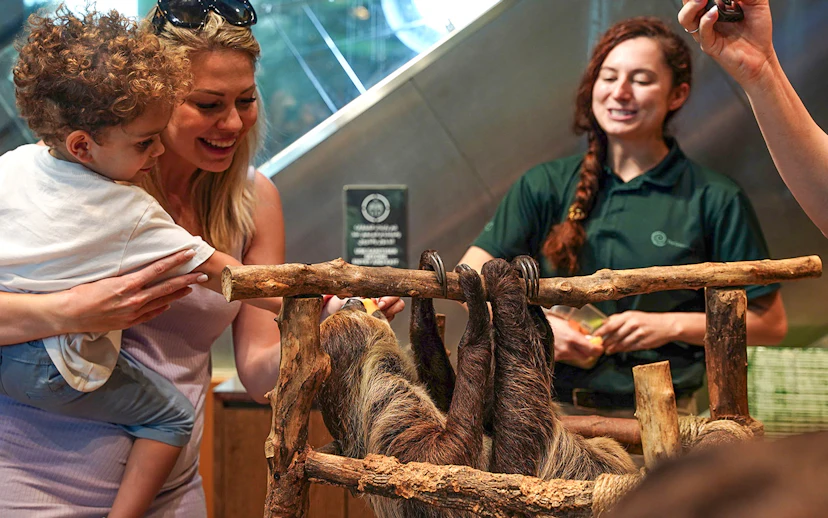
Two-toed sloth habitat at The Green Planet Dubai
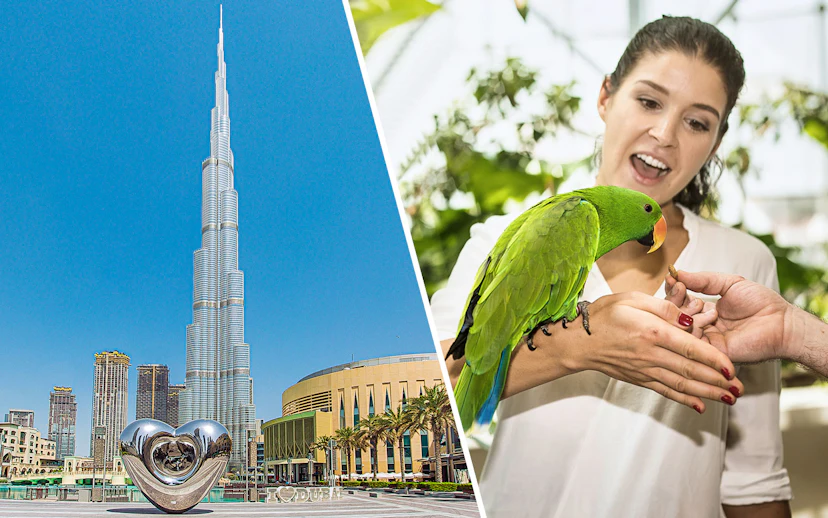
Canopy aviary birds at The Green Planet Dubai
Fruit bat cave in the nocturnal zone
Sugar glider habitat at The Green Planet Dubai
Piranha tank in the aquatic zone
Central tree and forest floor at The Green Planet Dubai
1/6

Sloth habitat

Species: Two-toed sloth

This is the emotional center of the visit and the animal most people came to see, so it is worth slowing down instead of taking one quick glance and moving on. Sloths can look motionless for long stretches, which makes people think they are not there, but the reward is in waiting for small movements and better angles. Most visitors rush past the higher branches and miss the spots near the heat lamps where sloths often settle.

Where to find it: Midstory level, around the main tree, where the walkway slows into a viewing cluster.

Canopy aviary

Habitat: Free-flying tropical bird zone

The canopy is the most atmospheric part of the biodome because it is bright, humid, and open enough to feel closer to a real rainforest than the lower enclosed displays. It is also where the visit feels least cramped if you arrive early. Most people use it as a quick opener and miss the eye-level perches where birds come surprisingly close.

Where to find it: The top level right after the elevator, before you begin the main descent.

Fruit bat cave

Species: Fruit bats

This is one of the most distinctive habitats in the whole building, but it is easy to underappreciate because your eyes need a minute to adjust to the darker light. If you pause instead of walking straight through, you notice the bats hanging in clusters and moving above the enclosure. Most visitors miss the first few minutes because they are still in ‘exit mode’ by the time they reach the lower level.

Where to find it: Lower nocturnal zone near the end of the route.

Sugar glider area

Species: Sugar gliders

The sugar glider habitat rewards patience more than speed, which is why so many visitors leave thinking they did not see much down here. These animals are quick, small, and better appreciated once the crowd thins out a little. Most people glance in once and move on instead of waiting for movement between branches.

Where to find it: Lower nocturnal section, close to the bat and night-active displays.

Piranha tank

Species: Freshwater piranhas

The aquatic zone is easy to dismiss if you came mainly for mammals and birds, but the piranha display gives the visit a stronger Amazon feel and breaks up the walking rhythm well. The best moment is watching the school tighten and shift together rather than looking for one dramatic fish. Most people miss how much motion is happening in the middle of the tank rather than at the glass.

Where to find it: Lower level in the aquatic displays, after the nocturnal habitats.

Central tree and forest floor

Habitat: Artificial life-supporting tree and rainforest base

This is the architectural anchor that makes the whole visit feel different from a standard indoor animal attraction. It is worth more than a photo because it helps you understand the canopy, midstory, and forest-floor logic of the route. Most people photograph it from too close and miss the widest, most impressive view from the base looking upward.

Where to find it: Visible from every level, with the strongest full-height view from the forest floor.

Don't leave without seeing

💡 Don't leave without seeing: the fruit bat cave and the planting detail halfway down the main tree, because most people speed through the lower level and treat the central foliage as background instead of part of the experience.

→ See the complete highlights guide

Facilities and accessibility

  • 🎒 Cloakroom / lockers: Limited day lockers are available near the entry, but most visitors only need a small bag for a short visit.
  • 🚻 Restrooms: Main restrooms are near the entry and exit lobby, so it is smart to stop before taking the elevator up.
  • 🍽️ Cafe / restaurant / food stalls: There is no major full-service restaurant inside the biodome, so City Walk’s cafes and family chains are the practical meal stop before or after your visit.
  • 🛍️ Gift shop / merchandise: The exit route runs through a gift shop with plush sloths, rainforest-themed souvenirs, and child-friendly take-home items.
  • 🅿️ Parking: City Walk has covered parking close to the venue, which makes arrival easier with children or strollers.
  • Mobility: The venue is wheelchair-accessible, with elevators connecting levels, step-free entry, and a route that is easier to manage than most large zoos, though popular viewing points can feel tight when groups bunch up.
  • 👁️ Visual impairments: This is a visually led experience with habitat viewing and wall panels, so it is less independent for visitors with visual impairments than it is for visitors with mobility needs.
  • 🧠 Cognitive and sensory needs: The biodome is warm, humid, and full of bird calls and layered visual stimuli, so the first hour after opening is usually the calmest window for a lower-stress visit.
  • 👨‍👩‍👧 Families and strollers: Strollers can use the main route via elevators, and the compact layout makes this easier with young children than most multi-acre outdoor animal attractions.

This is best for children who enjoy spotting animals, moving through different habitats, and staying engaged for about an hour rather than an entire day.

  • 🕐 Time: 60–90 minutes is realistic with young children, and the best use of that time is the canopy birds, the sloth area, and one slow pass through the nocturnal zone.
  • 🏠 Facilities: Elevators, nearby restrooms, covered parking, and City Walk family facilities make this easier with strollers than many Dubai attractions.
  • 💡 Engagement: Turn it into a rainforest-layer game by asking kids to spot one animal in the canopy, one in the middle, and one on the forest floor.
  • 🎒 Logistics: Bring light clothes, a small stroller or carrier, and a lens cloth if you use glasses or a camera, because the humidity can fog both on entry.
  • 📍 After your visit: City Walk is the easiest post-visit reset, with dessert stops, casual food, and space for children to decompress without another long transfer.

Rules and restrictions

What you need to know before you go

  • Entry requirement: A mobile or printed ticket is the easiest way in, and it is worth keeping age proof handy for infant or child tickets.
  • Bag policy: Small bags are fine, but large luggage is impractical in the biodome and better left outside or in available storage near the entrance.
  • Re-entry policy: Re-entry is not permitted once you exit, so use the restrooms first and do not plan to pop out for food mid-visit.

Not allowed

  • 🚫 Outside food and drink are generally not allowed inside, apart from basic water for the short visit.
  • 🚬 Smoking and vaping are not allowed inside the biodome.
  • 🐾 Pets are not allowed inside the attraction.
  • 🖐️ Touching animals or climbing barriers is not allowed outside supervised encounter sessions, because many habitats are open-feel but still controlled.

Photography

Personal photography is usually allowed throughout the biodome, but flash is not, especially in the darker nocturnal habitats. Tripods, lighting setups, and professional-style equipment generally require prior approval rather than a regular entry ticket. The main distinction is not by floor so much as by equipment and animal welfare — you can take your own photos, but not in a way that disrupts habitats or blocks the narrow viewing points.

Good to know

  • The entry elevator is the venue’s main bottleneck, so even on a short visit the first wait of the day often happens before you reach the canopy.
  • Sloth encounter slots are the add-on most likely to shape your timing, so book that first and build the rest of the visit around it.
Re-entry warning

⚠️ Re-entry is not permitted once you exit The Green Planet Dubai. Plan restroom stops, meals, and rest breaks before leaving — City Walk food is nearby, but rejoining entry screening and the elevator queue can add another 10–20 minutes at busy midday times.

Practical tips

  • If an animal encounter is the main reason you are going, book that timed slot first and aim to arrive 20–30 minutes early so you are not rushing from ticket scan to check-in.
  • Spend more time than you think you need on the canopy level at the start. It is the easiest part of the biodome to enjoy before groups compress the walkway and push the flow downward.
  • Weekday opening time is the smartest slot for adults and photographers because the elevator moves faster, the aviary feels calmer, and the sloth viewing area is not yet crowded three-deep.
  • Bring a small bag, not a daypack. This is a short indoor visit, and less stuff makes the elevator, viewing stops, and gift shop exit much easier.
  • If you wear glasses or shoot photos, pack a lens cloth. The jump from dry mall or street air into rainforest humidity can fog glasses, phones, and camera lenses almost immediately.
  • Eat before or after, not during. There is no major sit-down food stop inside, and once you leave for City Walk restaurants you cannot come back in on the same ticket.
  • Do not judge the lower nocturnal level too quickly. It is the section most visitors under-rate simply because they get there late and tired, even though it has some of the most unusual animals in the building.

What else is worth visiting nearby?

Commonly paired: Burj Khalifa

Burj Khalifa
Distance: 3km — 10–15 min by taxi
Why people combine them: It is an easy same-day pairing because The Green Planet is short, indoor, and central, while Burj Khalifa gives you the big-ticket Downtown skyline moment.
→ Book / Learn more

Commonly paired: Museum of the Future

Museum of the Future
Distance: 5km — 12–15 min by taxi
Why people combine them: Both are compact, design-led indoor attractions, so they work well if you want a weather-proof Dubai day without committing to a theme park-length schedule.
→ Book / Learn more

Also nearby

Coca-Cola Arena
Distance: 1km — 10–15 min walk
Worth knowing: If you are staying around City Walk, this is the easiest nearby evening add-on after a late-afternoon biodome visit.

Dubai Opera
Distance: 4km — 10–15 min by taxi
Worth knowing: It is a strong post-dinner option if you want to turn a short family attraction day into a more grown-up evening in central Dubai.

Eat, shop and stay near The Green Planet Dubai

  • On-site: There is no major full restaurant inside The Green Planet Dubai, so think of City Walk as your food court, coffee stop, and family fallback.
  • Eataly: 5–10 min walk, City Walk; Italian, mid-range, and a solid option if you want one place that works for adults and children after the visit.
  • Operation: Falafel: 5–10 min walk, City Walk; casual Middle Eastern food, lower price point, and useful if you want something quick without turning lunch into another event.
  • Black Tap: 5–10 min walk, City Walk; burgers and shakes, higher spend, and a strong post-visit reward if you are traveling with older kids or teens.
  • Pro tip: Eat after, not before, if you are visiting in summer — the coolest and calmest way to do this attraction is straight in at opening, then lunch once you are back out in City Walk.
  • The Green Planet gift shop: Plush sloths, rainforest-themed souvenirs, and kid-friendly merch right on the exit route.
  • City Walk retail strip: Fashion, lifestyle, and dessert stops spread across the open-air complex, which makes it more useful for a short browse than a dedicated shopping trip.

City Walk is convenient rather than essential as a Dubai base. It works well if you want quick taxi access to Downtown, Jumeirah, and indoor attractions without committing to the Marina or Palm, but it is not the city’s most atmospheric neighborhood for a longer stay.

  • Price point: Mostly mid-range to upscale hotels and serviced apartments, with fewer true budget options than older Dubai districts.
  • Best for: Short stays where you want smooth taxi logistics, lots of dining nearby, and an easy central location for mixing family attractions with more adult evenings.
  • Consider instead: Downtown Dubai suits visitors who want more landmark-heavy days on foot, while Dubai Marina and JBR work better if beach time matters as much as sightseeing.

Frequently asked questions about visiting The Green Planet Dubai

Most visits take 60–90 minutes. You can stretch it closer to 2 hours if you slow down at the canopy and nocturnal levels, or if you book a timed animal encounter and build the route around it.

More reads

The Green Planet Dubai tickets

The Green Planet Dubai highlights

Getting to The Green Planet Dubai

Dubai travel guide