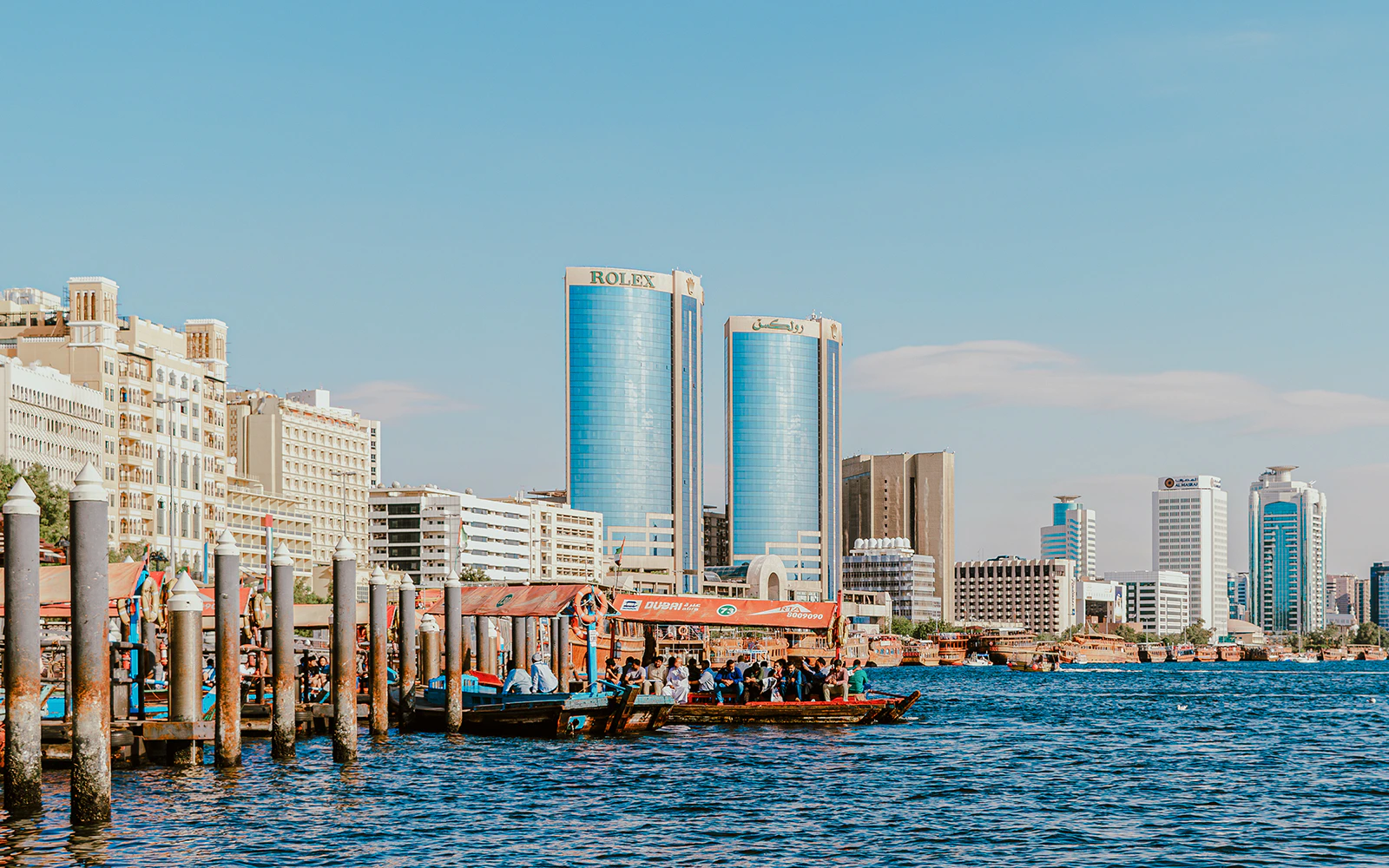

Neighborhood at a glance

  • Why visit: For an easy, walkable stretch of Dubai Creek where you can pair a waterfront stroll with Al Fahidi, the Textile Souk, and abra crossings into Deira.
  • Atmosphere: Creekside, low-rise, polished, walkable.
  • Top things to do: Walk the Al Seef promenade, visit Museum of Illusions Dubai, explore Al Fahidi Historical Neighbourhood, cross Dubai Creek by abra.
  • Best for: First-time visitors, Old Dubai explorers, families, evening walkers.
  • Time needed: 2–4 hours.
  • Best time to visit: Late afternoon to evening from October to April for softer light, cooler air, and busy creek traffic.
  • Nearby: Al Fahidi Historical Neighbourhood, Museum of Illusions Dubai, Textile Souk, Bur Dubai Abra Station, Coffee Museum, Dubai Creek.

Top things to do in Al Seef

Pro tip

Start at the western, heritage-style end of Al Seef around 4:30pm, then walk east with the light behind you — the creek stays brighter for photos, and dinner options get better as you go.


Quick navigation

🏛️ Why visit   | 🎟️ Best ways to explore   |🧭 Plan your visit   | 🌟 Free things to do  | 📋 Itinerary   | 💡 Tips   | 🍴 Dining


Why visit Al Seef

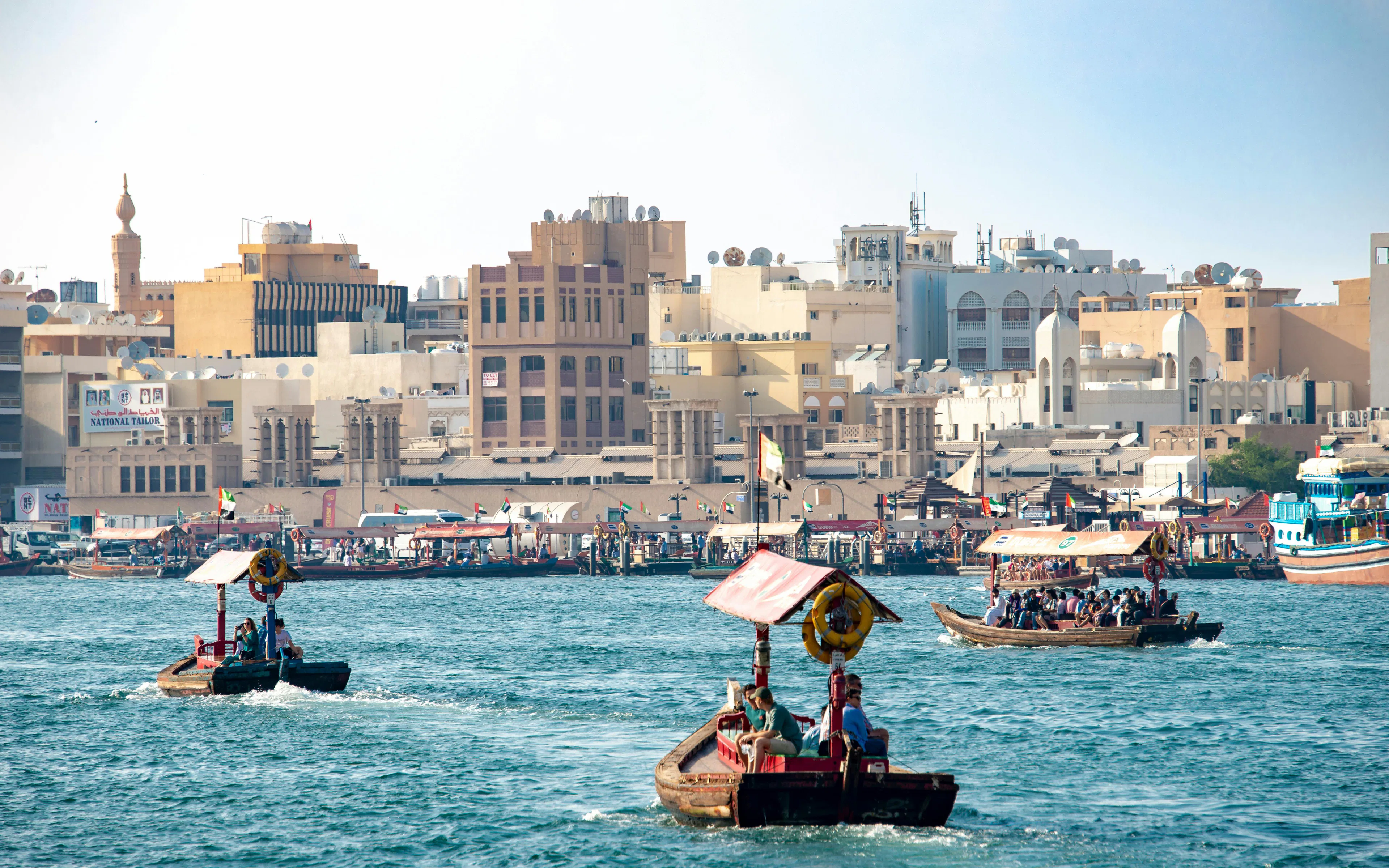
Dubai Creek view from Al Seef
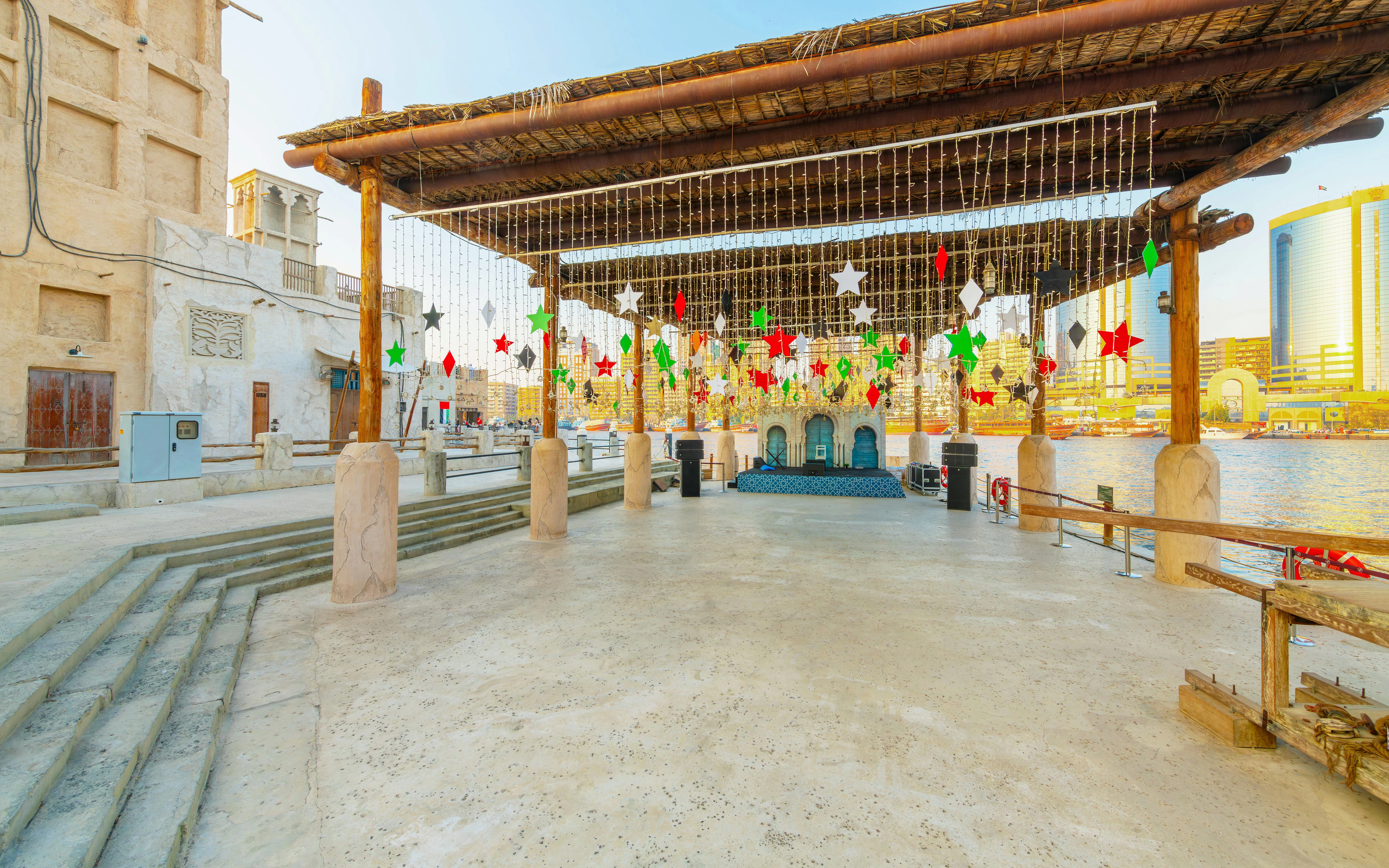
Walkway connecting Al Seef and Al Fahidi
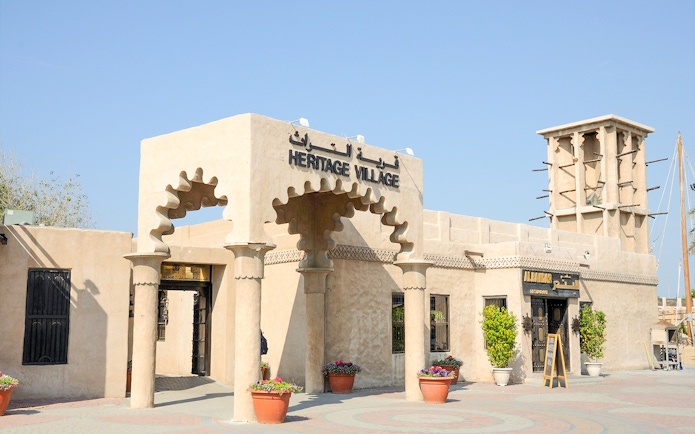
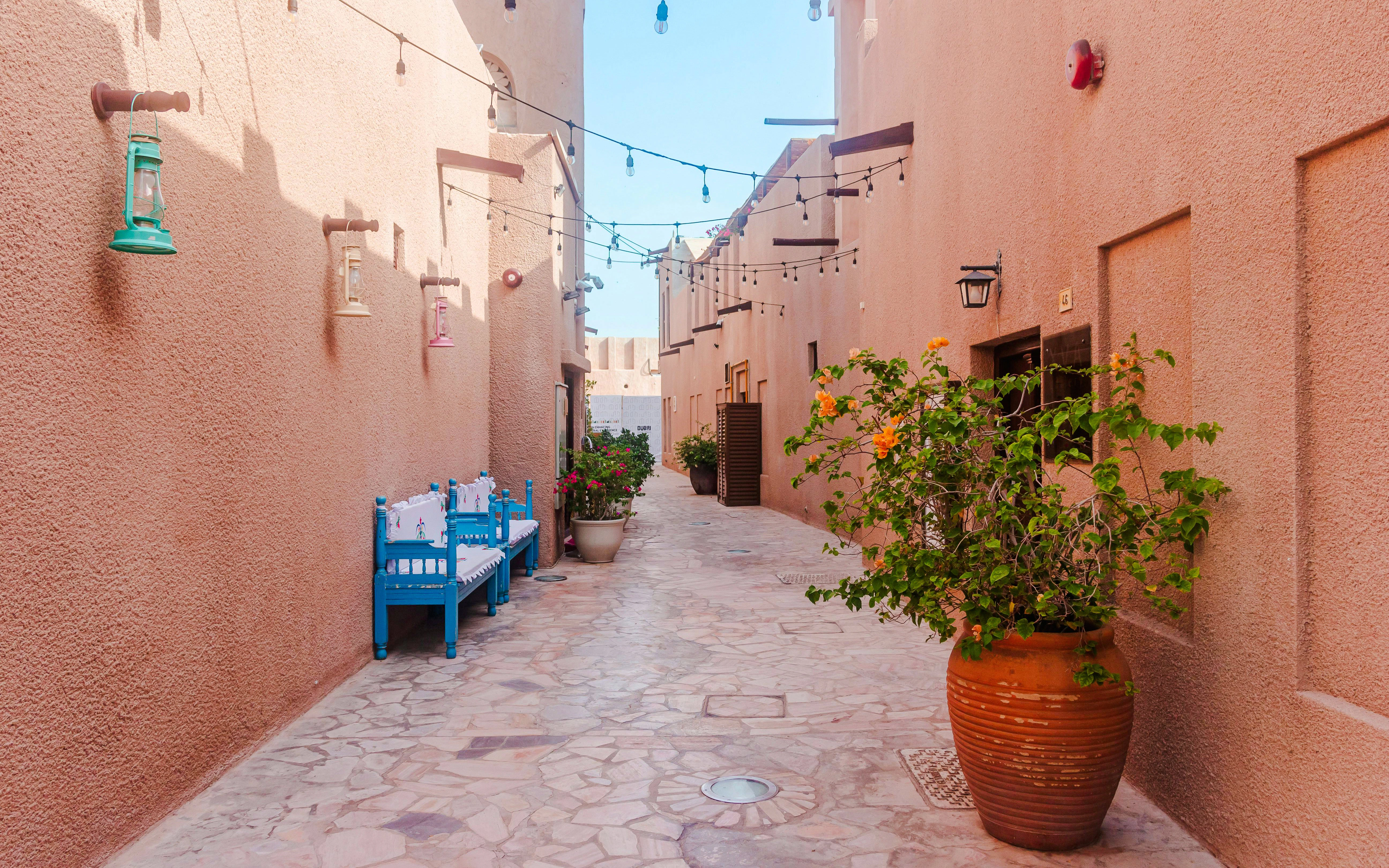
Al Seef promenade and heritage-style lanes
Traditional abra on Dubai Creek
Evening lights along Al Seef promenade
1/5

Dubai Creek does the heavy lifting here

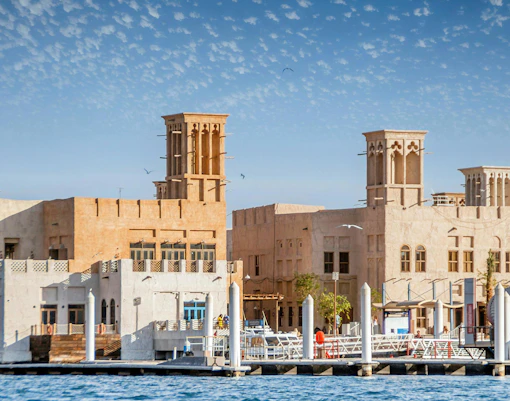
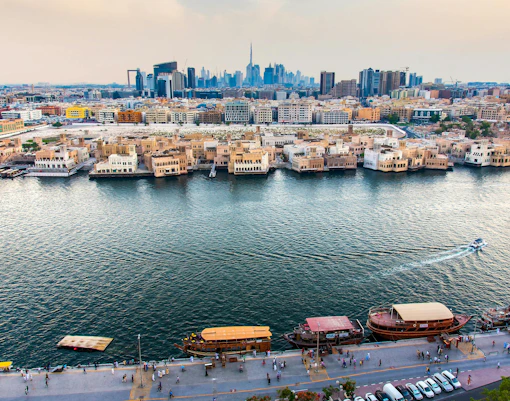
Al Seef works because the creek is always in view. You’re not walking an isolated development; you’re moving alongside abras, dhows, and the trading waterway that shaped old Dubai.

Al Fahidi is close enough to fold in naturally

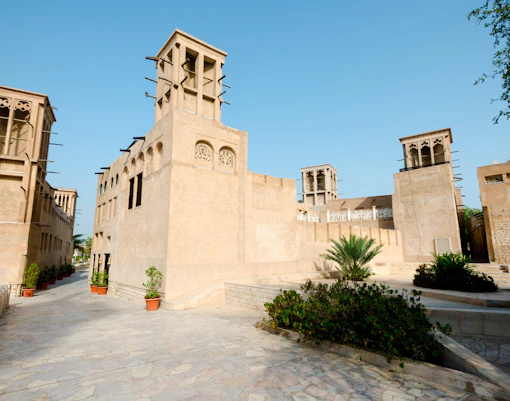
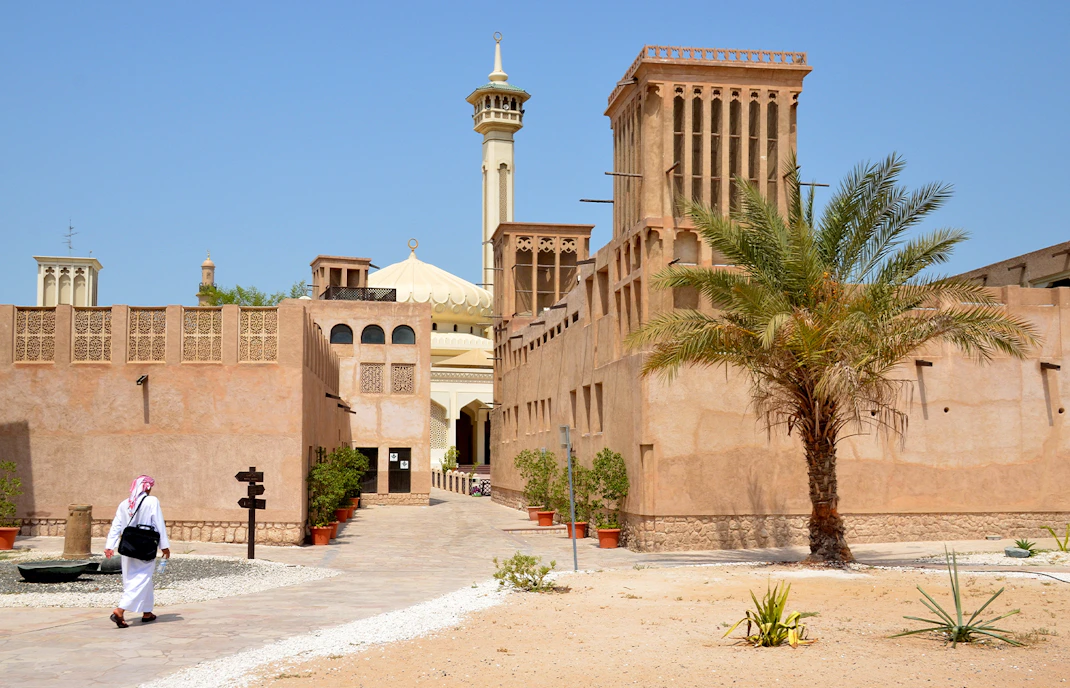
From the western end of Al Seef, Al Fahidi Historical Neighbourhood is an easy 8–10 min walk. That means one outing can cover creek views, wind-tower architecture, courtyard cafés, and small museums without taxis.

You get Old Dubai without full souk intensity

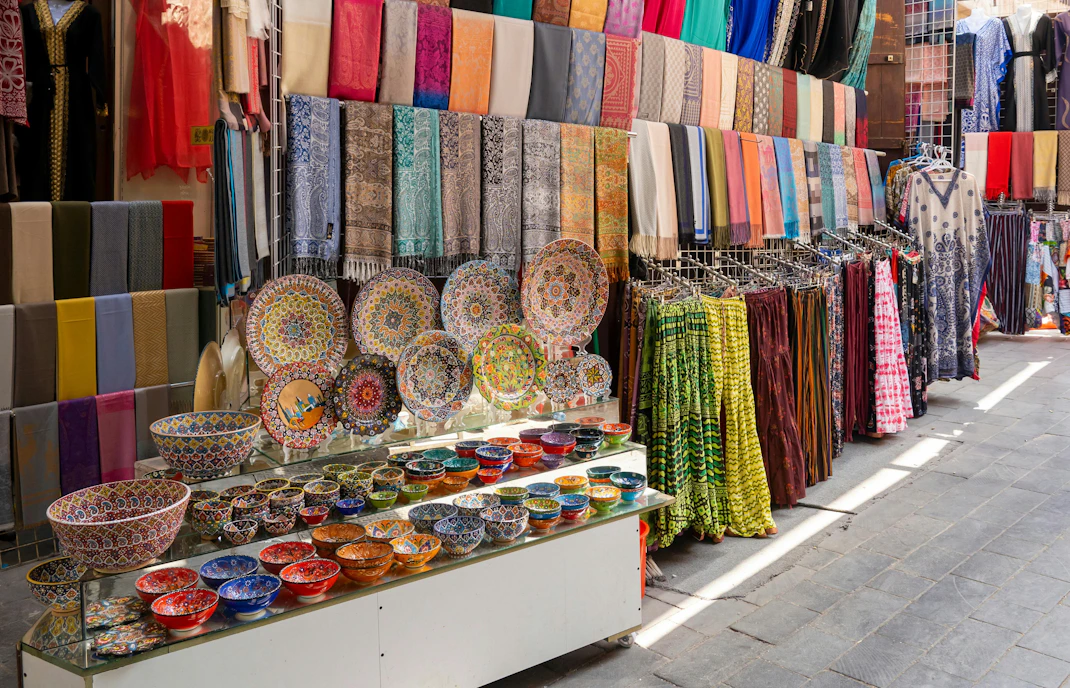
Deira’s souks are better if you want full market energy, but Al Seef is easier for first-timers who want cleaner routes, wider walkways, and more room to stop along the water. It feels less transactional.

The creek trade story still shows up in real life

This part of Dubai sits beside the same creek system that built its pearling and merchant economy. Even now, the water traffic, abra crossings, and nearby souks make the city’s pre-skyscraper history visible.

It’s one of the easiest evening neighborhoods in Bur Dubai

After dark, the promenade stays active without turning into a club district. That makes Al Seef useful if you want a walkable dinner-and-stroll area near Bur Dubai rather than a full nightlife zone.

Best ways to explore Al Seef

Al Seef and the surrounding Old Dubai districts are compact and best covered on foot. The natural walking circuit connects the Al Seef promenade, an abra crossing to Deira, the Gold and Spice Souks, and Al Fahidi Historical Neighbourhood — all within a manageable half-day. The Dubai: Old Town and Souks Guided City Tour with Abra Ride covers this entire circuit with a guide, which is useful for first-time visitors who want context on the souk layout and creek history rather than navigating it independently.

Pro tip

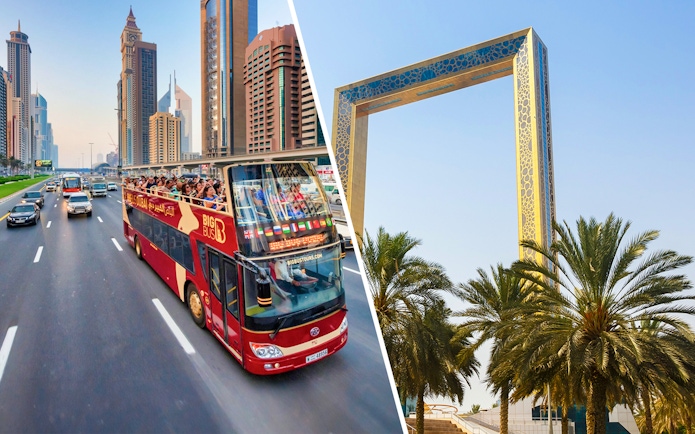
If you want one bookable stop that actually belongs to Al Seef, choose Museum of Illusions Dubai Tickets. If you want to turn Al Seef into a wider old-versus-new Dubai day, pair it with Dubai Frame Tickets later for the clearest skyline context.

Plan your visit

Pro tip

If you want one same-day contrast stop after Al Seef, book Dubai Frame Tickets for late afternoon or sunset. It helps you place Old Dubai geographically before heading back into the creek area or onward to Downtown.

Free things to do in Al Seef

Suggested itinerary for visiting Al Seef

Al Seef is linear and easy to read: the calmer heritage-style western section links naturally into Al Fahidi, while the newer eastern stretch works better for dinner and night views. You won’t need a taxi unless you’re adding a bigger city attraction afterward.

Best for: Visitors with one free evening, a long layover, or limited patience for museum-heavy sightseeing.

Total time: 1–1.5 hours.

Route:

  1. Al Seef heritage section (25 min)
    Start at the western end and walk the narrower lantern-lined lanes before they get busy. Focus on the creek edge and the façades rather than trying to “see everything.”
    Optional upgrade: Add a coffee stop instead of a full meal.
    Tip: Arrive around 4:30pm for the best transition into sunset.

  2. Museum of Illusions Dubai exterior and entry decision point (20–30 min)
    Pause outside the museum and decide whether you want an indoor stop or to stay outdoors. If the weather is harsh, this is the easiest same-area pivot.
    Optional upgrade: Go inside with Museum of Illusions Dubai Tickets.
    Tip: If you don’t want queues, avoid the post-school family rush.

  3. Creekfront promenade to sunset viewpoint (25–30 min)
    Finish with a slow walk east along the railing and stop once the abra traffic thickens. This is the best use of limited time because it gives you water, skyline, and movement in one frame.
    Optional upgrade: Stay for dinner on the newer waterfront stretch.
    Tip: Don’t rush straight out after sunset; the reflections improve once the opposite bank lights up.

Tips

  • Start on the western heritage side of Al Seef and walk east. If you do it the other way around, the newer restaurant stretch can make the historic quarter feel quieter than it is.
  • If you’re taking the abra from Bur Dubai Abra Station, carry small cash. It’s a tiny payment, but this is the wrong place to discover you only have large notes.
  • Museum of Illusions Dubai is a better midday stop than the waterfront in warmer months. Use the exposed creek walk for early morning or late afternoon instead.
  • For the cleanest photo line, stand at the creek railing facing Deira just before sunset, then wait another 15–20 minutes after sundown for the lights to show up on the opposite bank.
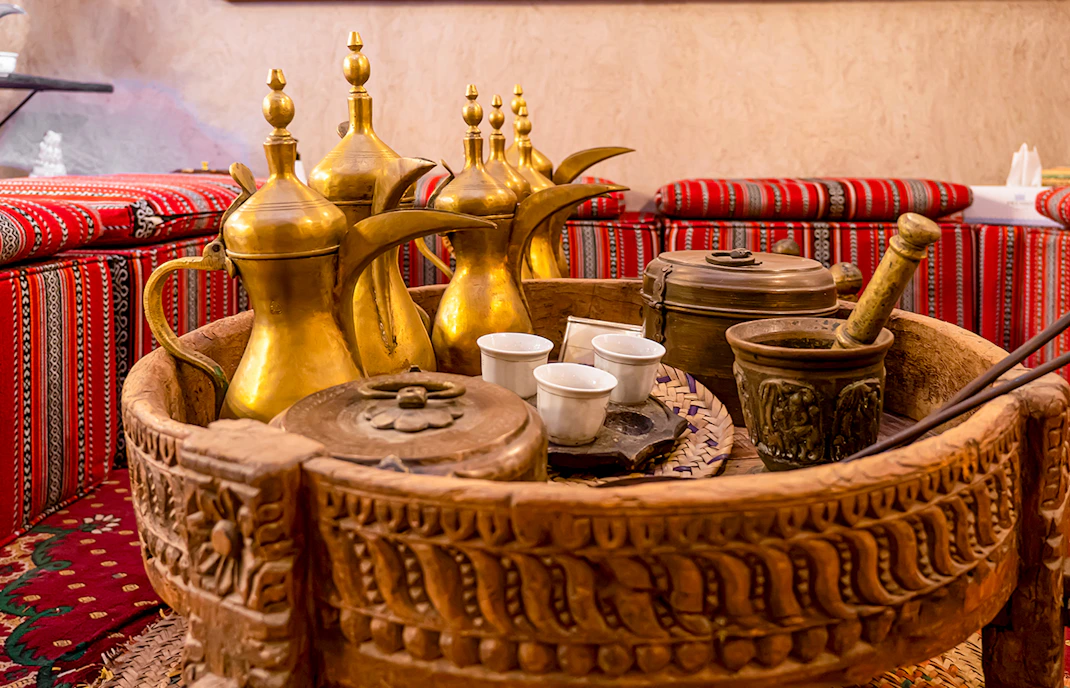
  • If you want a proper traditional meal, detour into Al Fahidi for Arabian Tea House or Local House Restaurant. The promenade is better for a walk and a view than for your only heritage-style meal.
  • The walk from Al Fahidi Metro Station to Al Seef is manageable, but the route gets more interesting if you approach through Al Fahidi Historical Neighbourhood instead of following the wider road straight to the water.
  • You can cover Al Seef, Al Fahidi, the Coffee Museum, and Textile Souk in one compact half-day on foot. Don’t waste time moving between them by taxi.
  • If you want one same-day contrast stop after Al Seef, book Dubai Frame Tickets for late afternoon or sunset. It helps you place Old Dubai geographically before heading back into the creek area or onward to Downtown.

Best photo spots in Al Seef

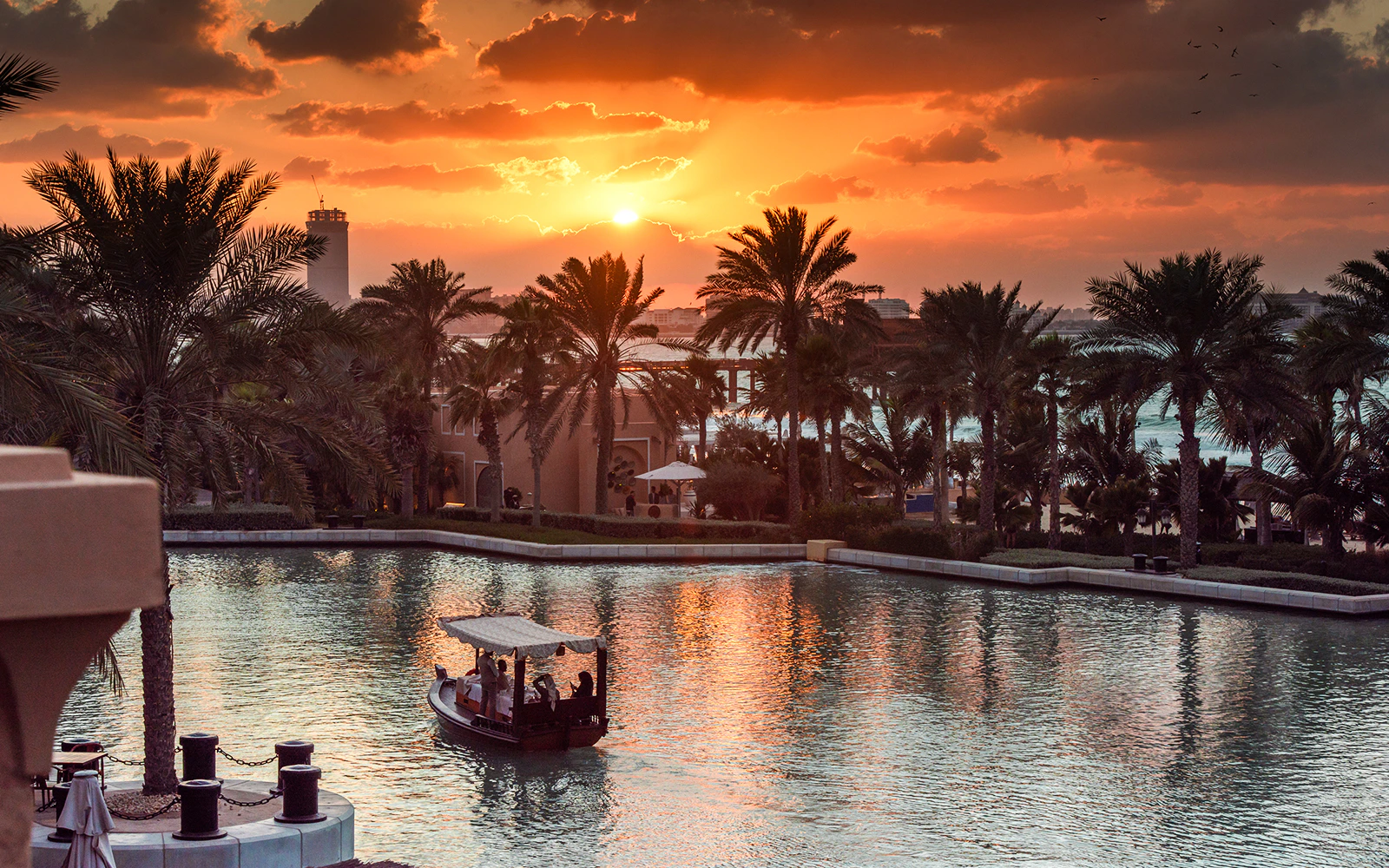
Sunset view from western Al Seef promenade

Western end of the Al Seef promenade at sunset

Stand by the railing where the heritage-style façades begin and face north across Dubai Creek. You’ll frame the water, moving abras, and the opposite bank with softer side light before the lamps switch on.

Morning light in Al Seef heritage lanes
Blue hour creek view with abras from Al Seef
Abra landing near Bur Dubai after dusk
Evening lane near Museum of Illusions in Al Seef

Dining in Al Seef

Pro tip

If you only sit down once, make it Arabic coffee and dates or a full Emirati breakfast at Arabian Tea House. It fits a day around Al Seef far better than defaulting to a generic waterfront coffee stop.

Should you stay in Al Seef?

Short answer: Yes, if you want creekside walks and easy access to Old Dubai. Less ideal if your trip revolves around beaches, Marina nightlife, or staying next to the city’s biggest skyline attractions.

  • The vibe — Early mornings are calm and creek-facing, while evenings bring diners and families onto the promenade rather than club crowds. You’re closer to water, low-rise lanes, and heritage-style streets than to late-night Dubai.
  • The logistics — Accommodation here leans toward mid-range to upper-mid-range creekfront hotels and a few newer branded stays rather than a huge spread of hostels or apartment towers. It’s easier for Bur Dubai and Al Fahidi than for JBR, Palm Jumeirah, or beach-club plans.
  • Who it’s for — Best for first-time visitors who care about Old Dubai, slower evenings, and walkable heritage sightseeing. Not ideal for travelers who want to step straight into Downtown mall attractions, beach days, or late-night Marina bars.
  • Top recommendation — Book the eastern waterfront stretch near Canopy by Hilton Dubai Al Seef if you want easier hotel logistics, lifts, and creek views. Book closer to the western heritage side only if atmosphere matters more than having the smoothest hotel setup.

Explore other neighborhoods in Dubai

Frequently asked questions about Al Seef

No. Al Seef is the creekfront promenade and mixed heritage-style waterfront zone, while Al Fahidi Historical Neighbourhood is the older inland quarter just west of it. Most visitors should treat them as one combined outing, but they are different areas with different textures.