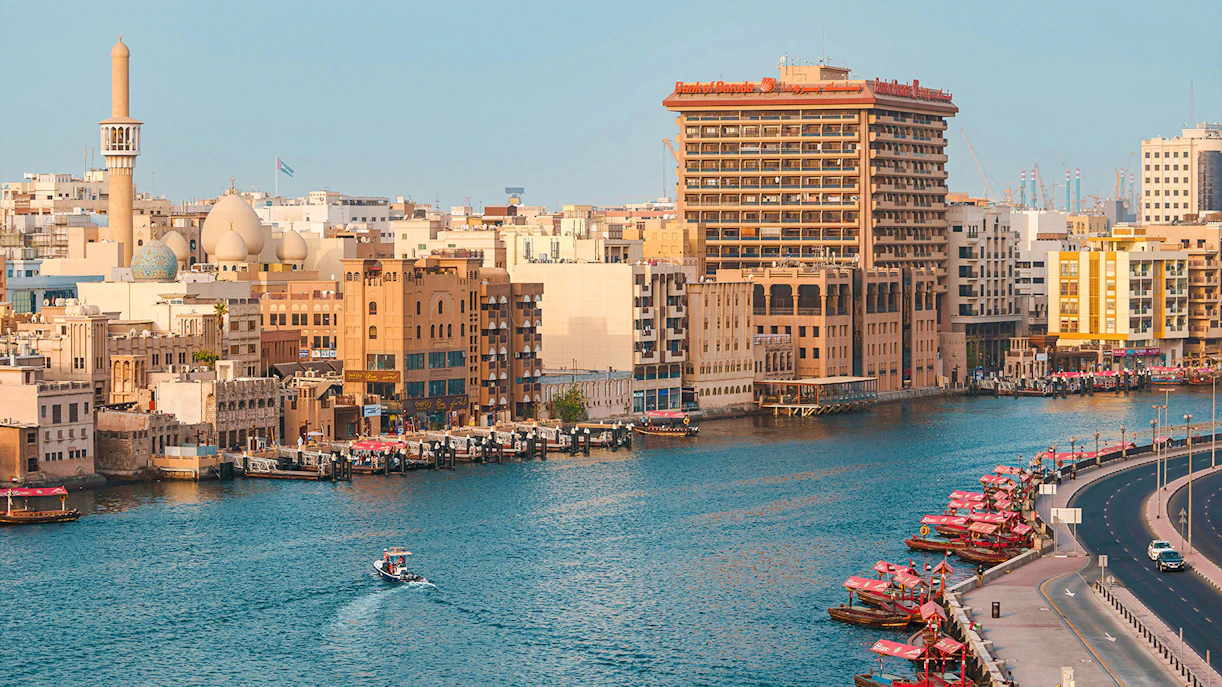
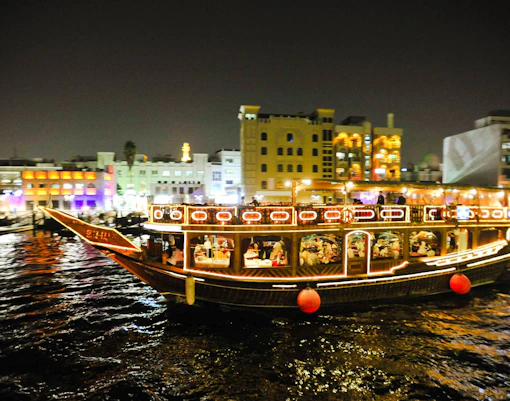
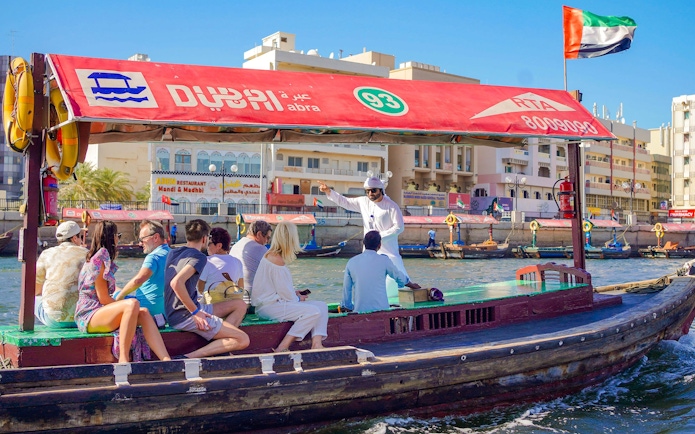
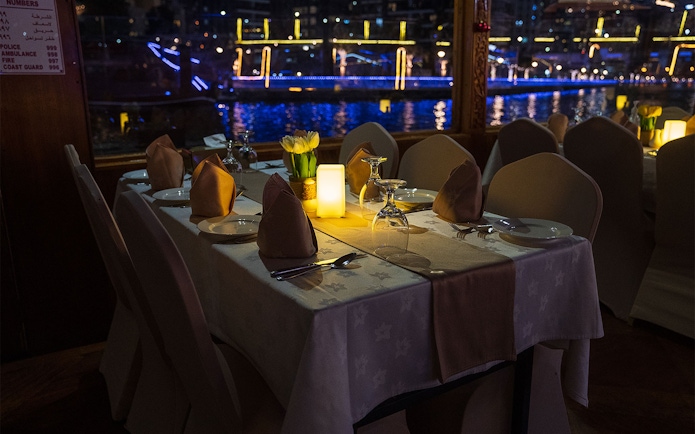
- The public abra (traditional wooden motorboat) service has crossed Dubai Creek between Deira and Bur Dubai continuously since the 1960s. The crossing takes 3-5 minutes and costs AED 1, one of the few experiences in Dubai that has stayed unchanged in price and method for decades. The view from the water shows both banks of the Creek, the waterfront buildings, and the dhows moored at the wharfage.
- Best for: First-time visitors, history of trade, photographers
- Duration: 15-30 minutes, including the crossing and return
- Combine this with: The Spice Souk (2 minutes from the Deira abra landing) and the Al Fahidi Historical Neighbourhood on the Bur Dubai bank (5 minutes from the Bur Dubai landing). The abra connects the two neighbourhoods directly, making it a natural bridge between a Deira souk visit and the heritage district across the water.
Neighbourhood at a glance
- Why visit:Deira is the commercial core of old Dubai, built around Dubai Creek — the inlet that made the city a trading port. The Gold Souk, Spice Souk, and continuous abra (wooden boat) traffic on the Creek survive intact and function as daily markets, not reconstructions.
- Atmosphere: Dense, commercial, South Asian-inflected, working
- Top things to do: Browse over 380 gold shops in the Gold Souk, cross the Creek by abra for AED 1, walk the Spice Souk waterfront for frankincense and saffron, take a dhow dinner cruise from the Creek.
- Best for: First-time Dubai visitors wanting historic context, market shoppers, food enthusiasts, history of trade.
- Time needed: 3-5 hours for markets and Creek; full day including a dhow dinner cruise.
- Best time to visit: October to April; arrive at the Gold Souk before 10am on weekdays to browse before midday crowds build. Evenings for dhow cruises on the Creek.
- Nearby: Bur Dubai (across the Creek), Al Fahidi Historical Neighbourhood, Al Ghurair Centre, Union Metro Station, Port Saeed.
Top things to do in Deira
💡 Pro tip
The Gold Souk opens around 10am but the shops are quietest between opening and noon on weekdays — after noon the lanes fill with tour groups. If you plan to buy, get there early and negotiate directly; the price on any tag is a starting point, not a final figure.
Quick navigation
🏛️ Why visit | 🎟️ Best ways to explore |🧭 Plan your visit | 🌟 Free things to do | 📋 Itinerary | 💡 Tips | 🍴 Dining
Why visit Deira
1/5
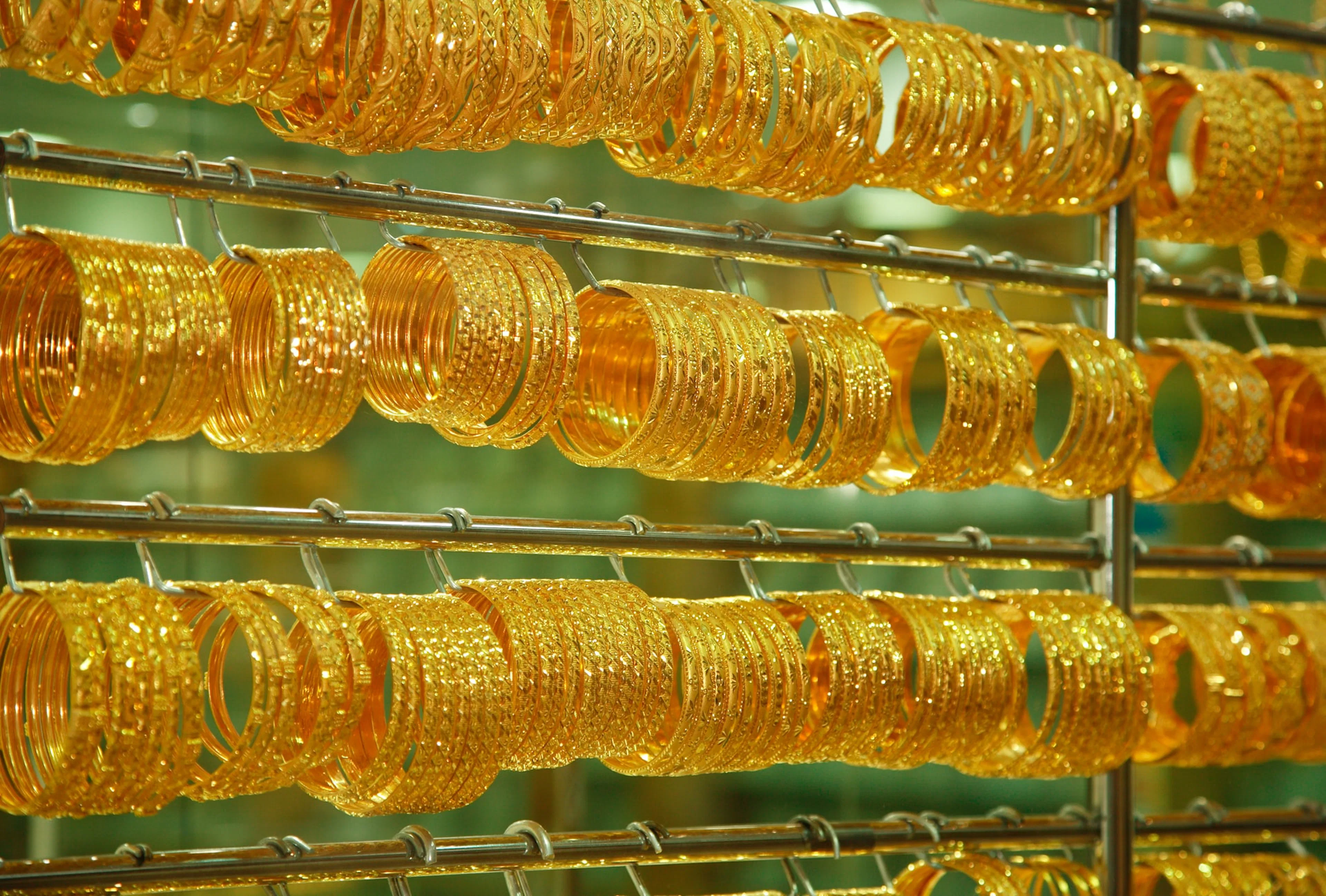
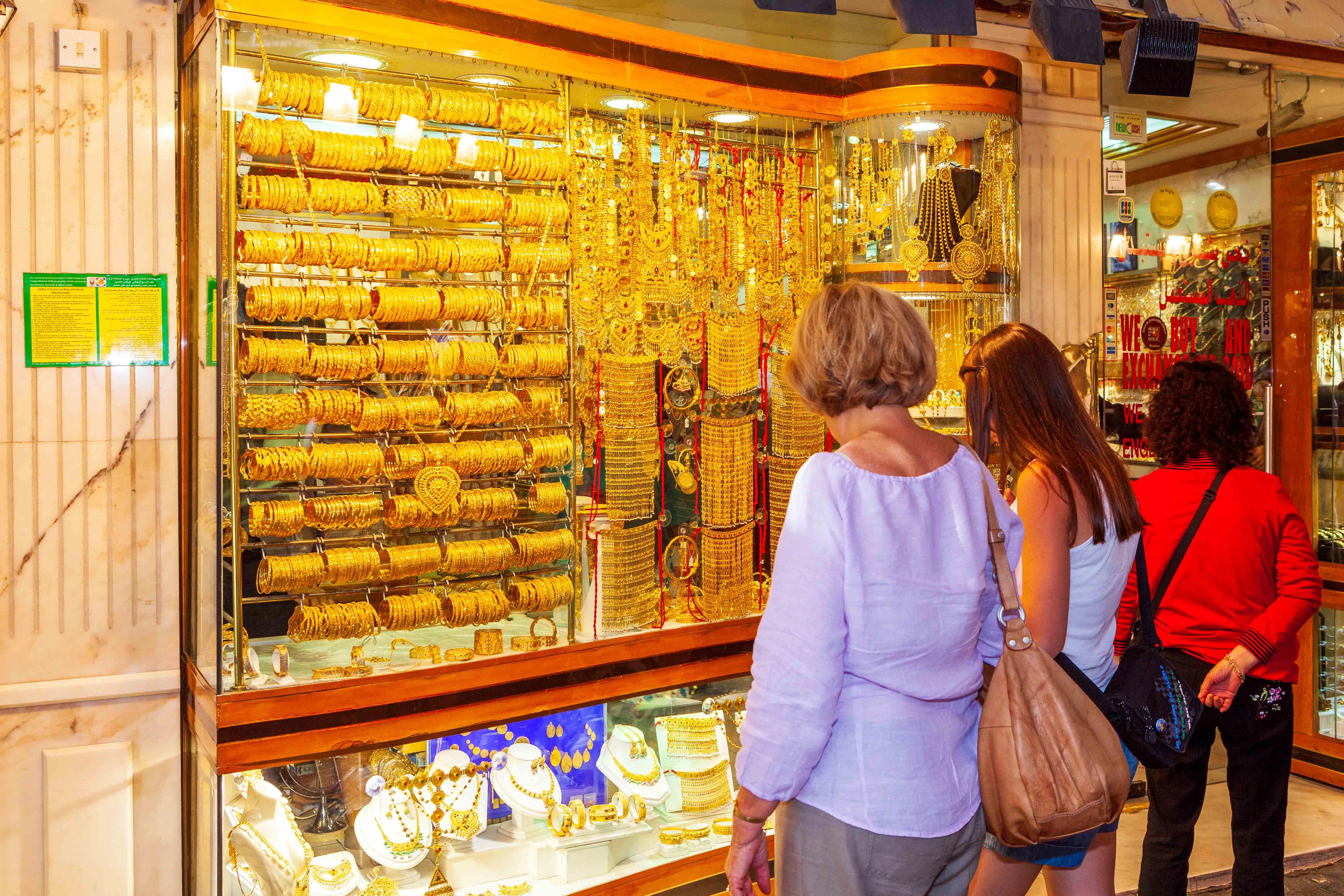
The Gold Souk holds an estimated 10 tonnes of gold on display at any time
Over 380 shops fill its covered lanes with 18- to 24-carat jewellery, while prices follow the global gold rate and bargaining is expected. The souk’s early-20th-century wooden lattice roof is one of Dubai’s few surviving examples of this design.
Dubai Creek is where the city began
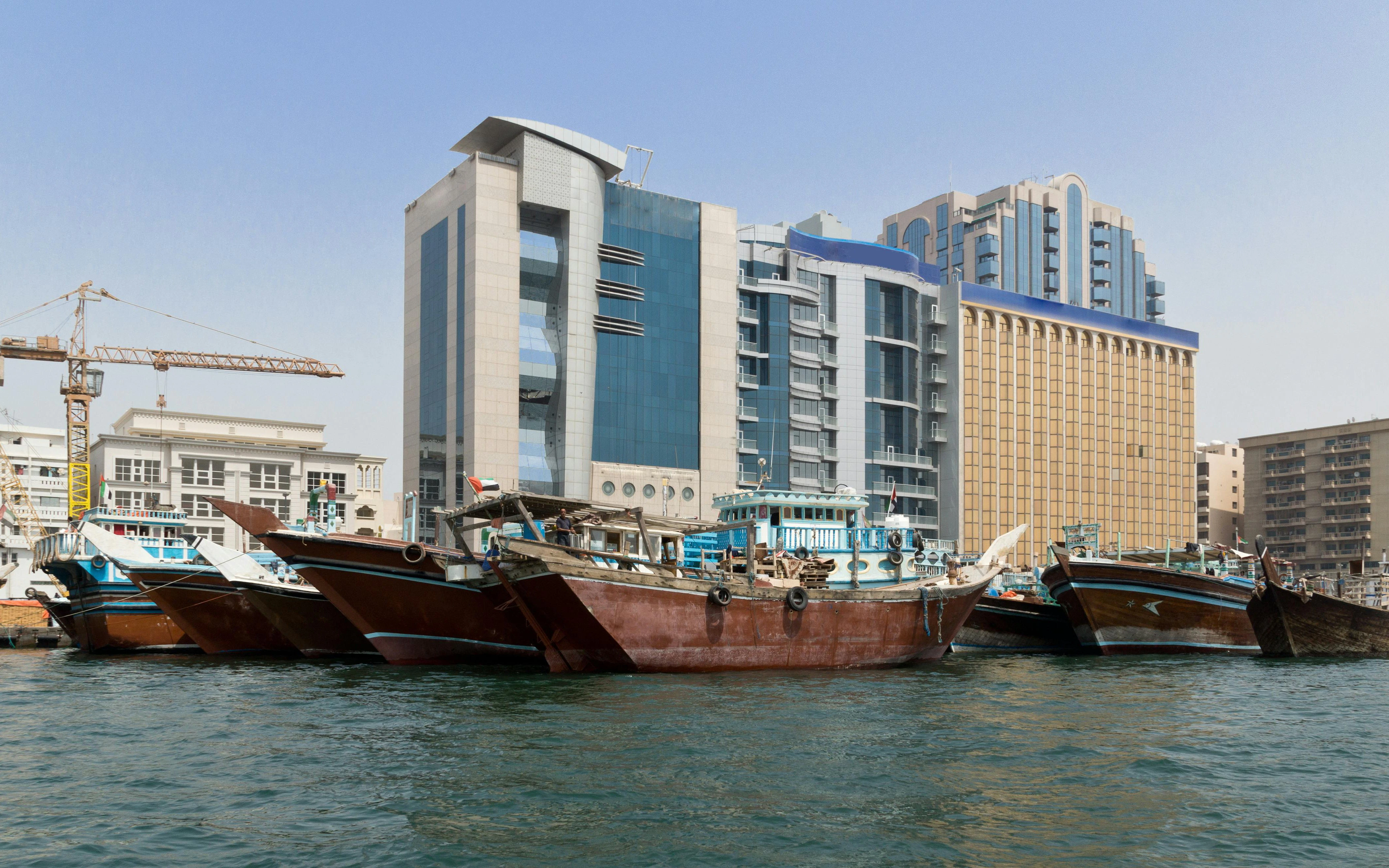
Dubai grew around the Creek long before oil or skyscrapers. This 14-kilometre saltwater inlet powered pearl diving and trade from at least the 18th century, becoming one of the Gulf’s busiest ports by the 1950s. Today, dhows still load cargo here, while AED 1 abras continue crossing the working waterway.
The Spice Souk still runs on historic trade routes
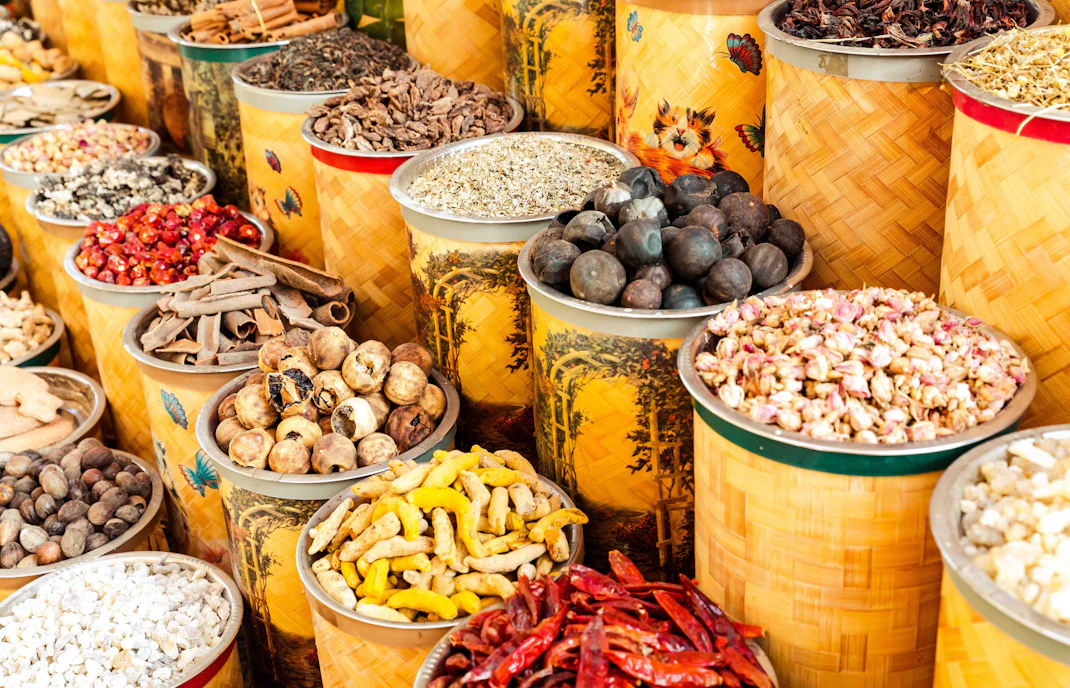
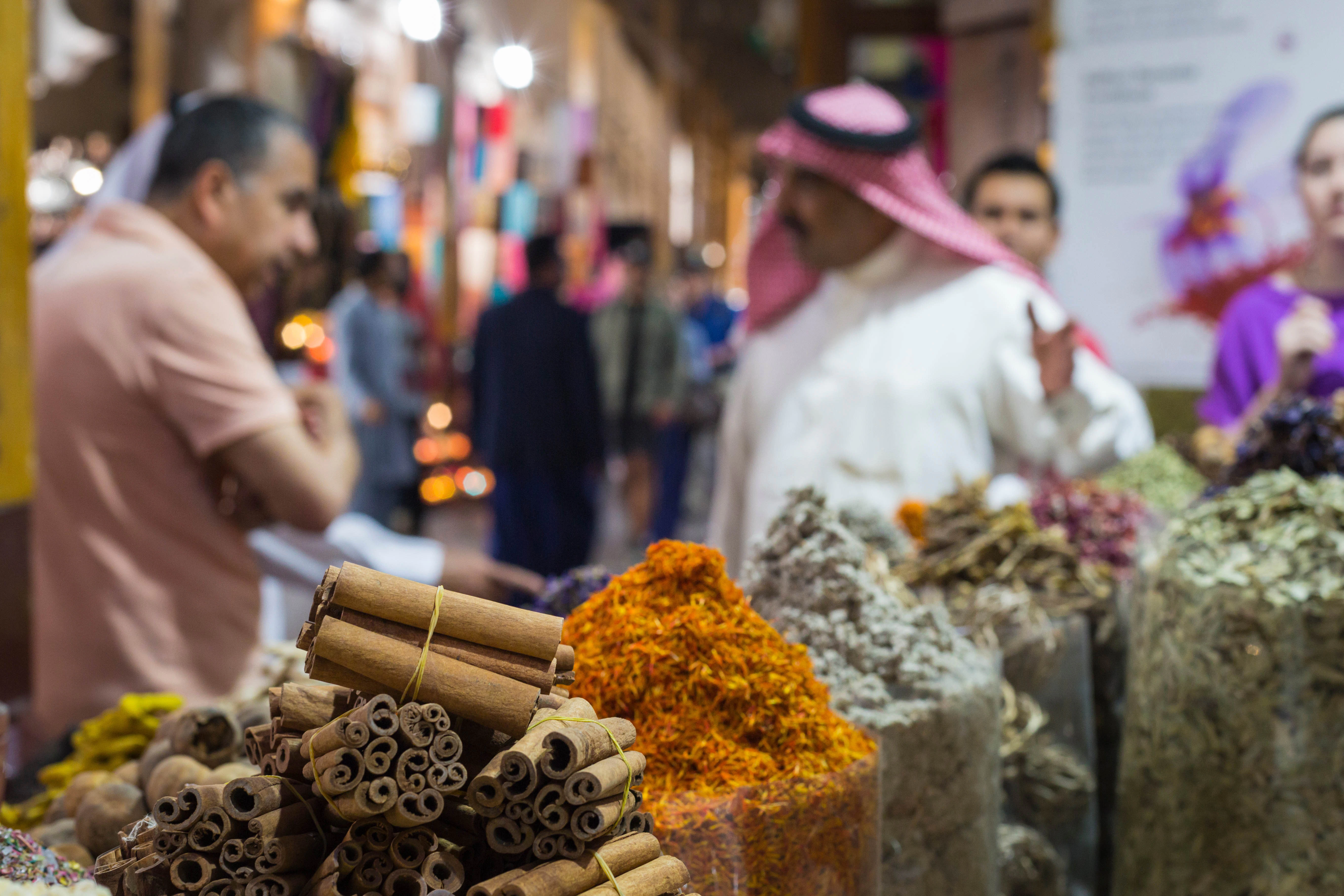
The Spice Souk, beside the Creek in Deira, sells frankincense, saffron, cardamom, dried limes, rose water, and other regional staples. Many goods still arrive by dhow from Iran, India, and East Africa, continuing trade routes that have operated for over a century.
Deira is one of Dubai’s best neighbourhoods for local dining
Around Al Rigga Street and Al Nasr Square, independent South Asian, Levantine, Iranian, and Filipino restaurants serve authentic local favourites at far lower prices than Downtown Dubai.
Deira is easy to explore without a car
Union Metro Station connects directly to the souks and Creek, with most attractions reachable on foot within 10–15 minutes, making Deira one of Dubai’s most walkable districts.
Best ways to explore Deira
A walking tour of Deira typically covers the Gold Souk alleyways, the Spice Souk waterfront, the abra station at the Creek crossing, and the textile souk streets of Sikkat Al Khail Road. Guided tours run the route in around 3 hours and provide historical context on the trading economy, the Creek's role as a port, and the architecture of the souk buildings. Independent walkers can follow the same circuit without a guide using the souk signs and the waterfront path.
Deira's food tour territory centres on the Spice Souk market stalls, the street food vendors around the covered souk entrances, and the Al Rigga restaurant strip. A guided street food tour covers South Asian snacks (samosas, chaat), Emirati sweets, and market teas alongside the spice and dried goods displays. The Headout Old Town Street Food and Souks tour includes the Creek abra ride and the souk route together.
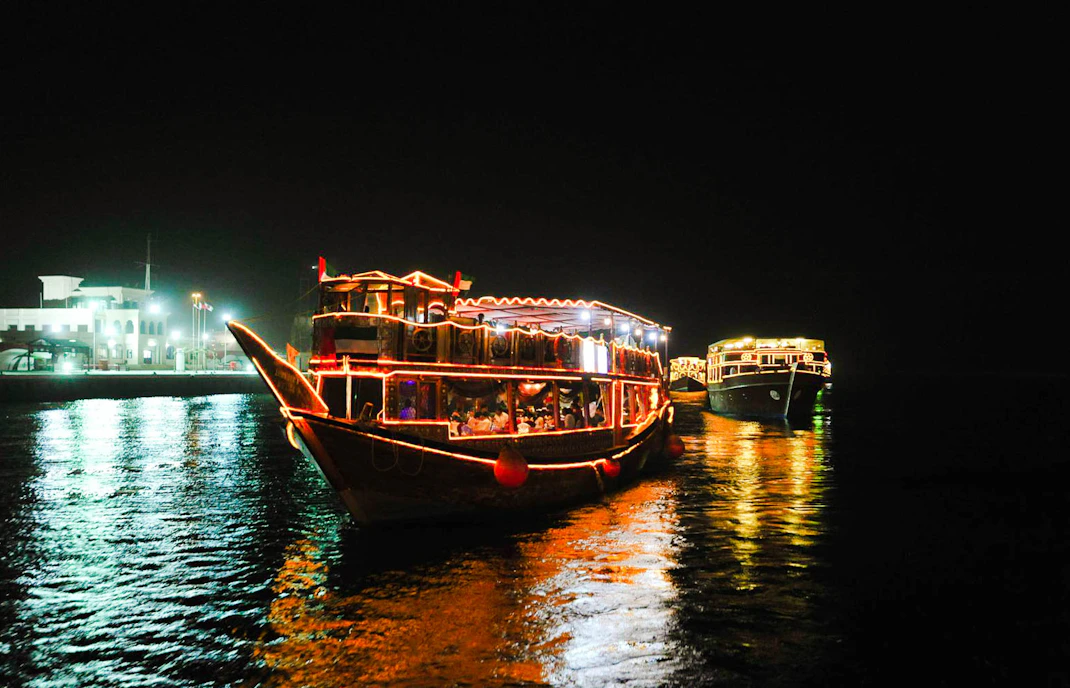
Dhow dinner cruises depart from the Deira side of Dubai Creek in the evenings. The standard route runs along the Creek channel between Deira and Bur Dubai, with the lit waterfront of both banks visible from the water. Some routes extend to the open sea beyond the Creek mouth. Daytime abra rides (AED 1, public) cross the 250-metre channel in under 5 minutes and run continuously from early morning until late at night, they are the least expensive and most atmospheric way to see the Creek.
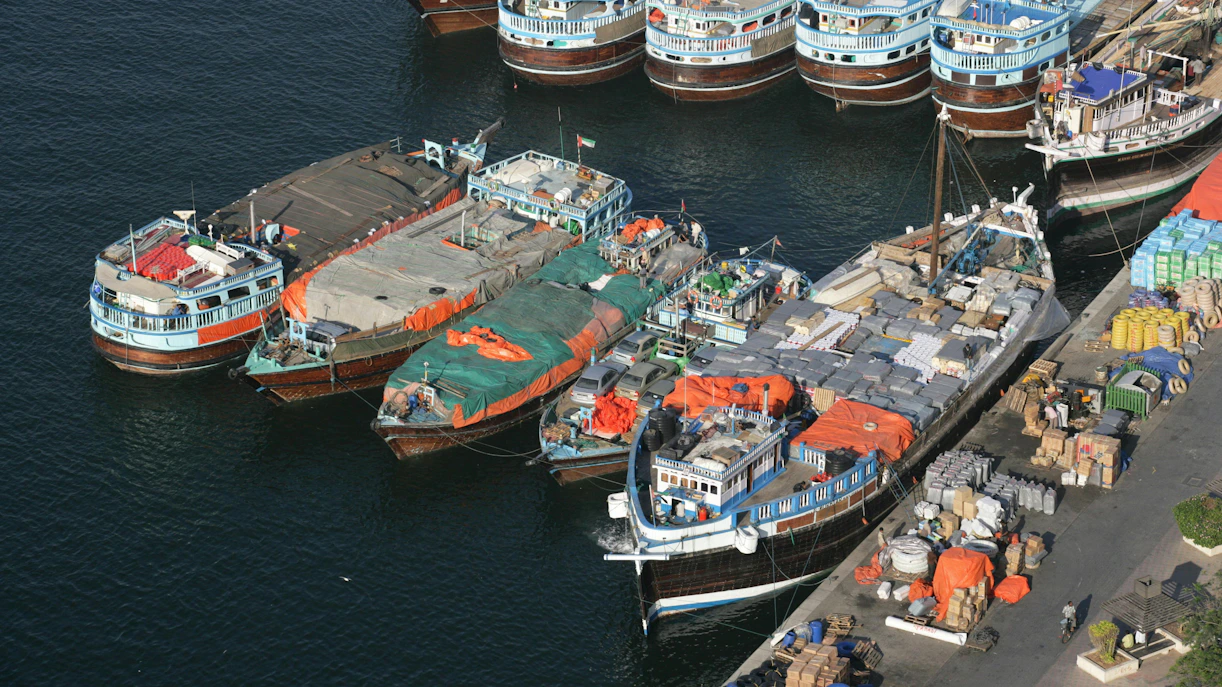
The Deira wharfage (between the abra station and the fish market area) is one of the last working wooden dhow ports in the Gulf. In the mornings, dhows load and unload goods — electronics, textiles, food products — bound for Iran, Oman, and Somalia. Walking the wharfage is free and gives direct access to a port operation that has changed little in method since the 1970s, despite the surrounding skyline.
Explore Deira’s souks and Creek with a guided walking tour
The Old Town, Street Food and Souks Guided Tour combines the Gold Souk, Spice Souk, Dubai Creek abra ride, and Al Fahidi in one half-day experience, with a guide explaining the area’s trading history along the way.
Plan your visit
💡 Pro tip
The Headout Old Town and Souks Guided City Tour with Abra Ride covers Deira and Bur Dubai in a single structured route, ideal for first-time visitors who want to cover the Gold Souk, Spice Souk, Creek crossing, and Al Fahidi Historical Neighbourhood in one trip with expert context. Book Dubai Old Town and Souks City Tour.
Free things to do in Deira
Suggested itinerary for visiting Deira
Deira is compact and walkable in its core souk area. The Gold Souk, Spice Souk, Creek waterfront, and abra station are all within 15 minutes of each other on foot. The district gets denser and more congested moving away from the Creek; the main tourist circuit stays close to the water.
Tips for visiting Deira
- Carry AED 1 coins for the abra, as cards are not accepted.
- Check the posted gold rate before shopping in the Gold Souk and bargain on making charges.
- Visit the Gold Souk before 1pm or after 4pm, as many shops close midday.
- Explore the inner Spice Souk lanes for quieter stalls and better prices.
- Use Al Rigga Metro Station if you’re heading straight to the restaurant district.
- Expect busy streets, narrow alleys, and a more local, working-district atmosphere.
- The air-conditioned water bus is a cooler alternative to the abra in summer.
- For dhow cruise photos, sit on the open upper deck for the best Creek views.
Best photo spots in Deira
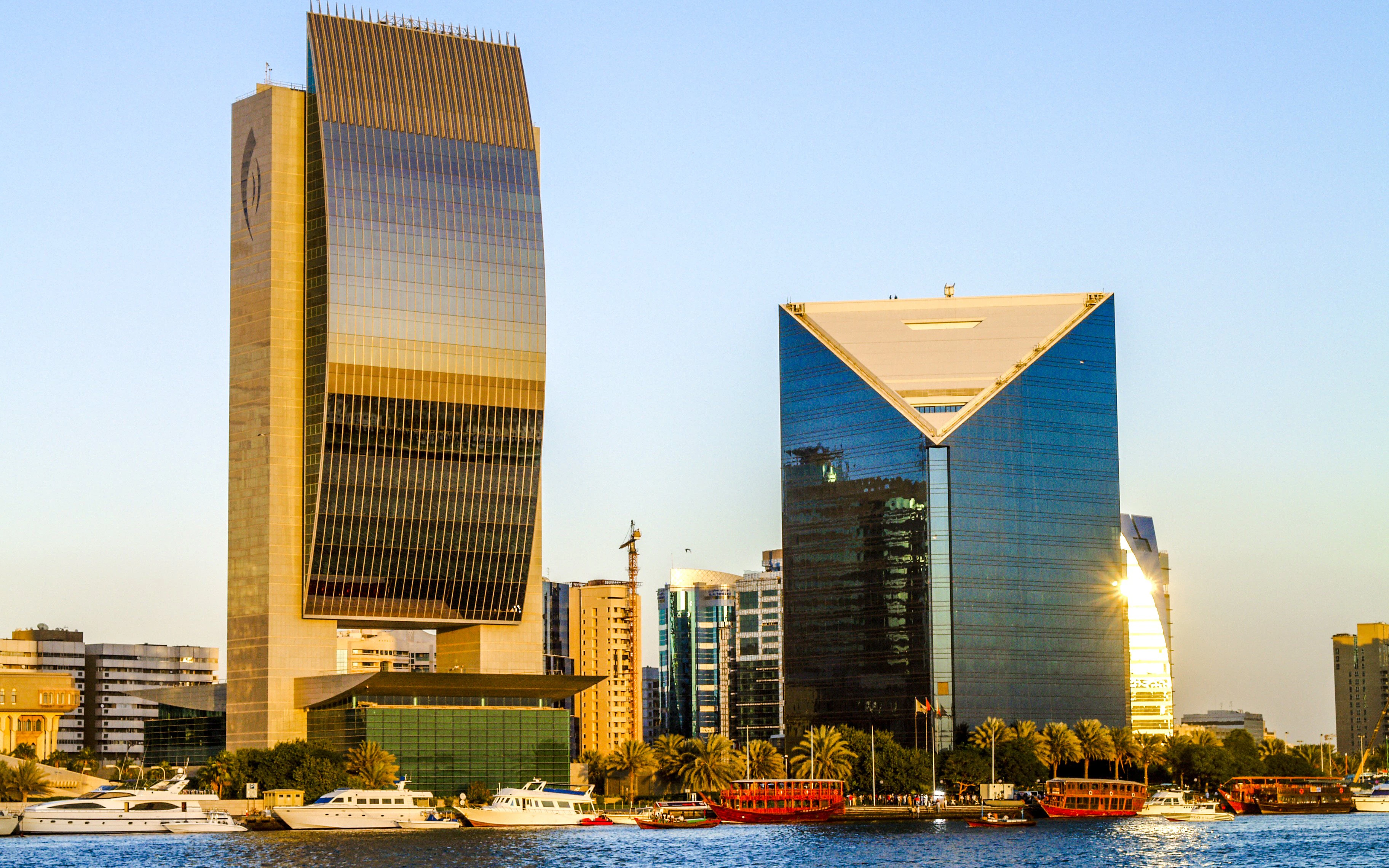
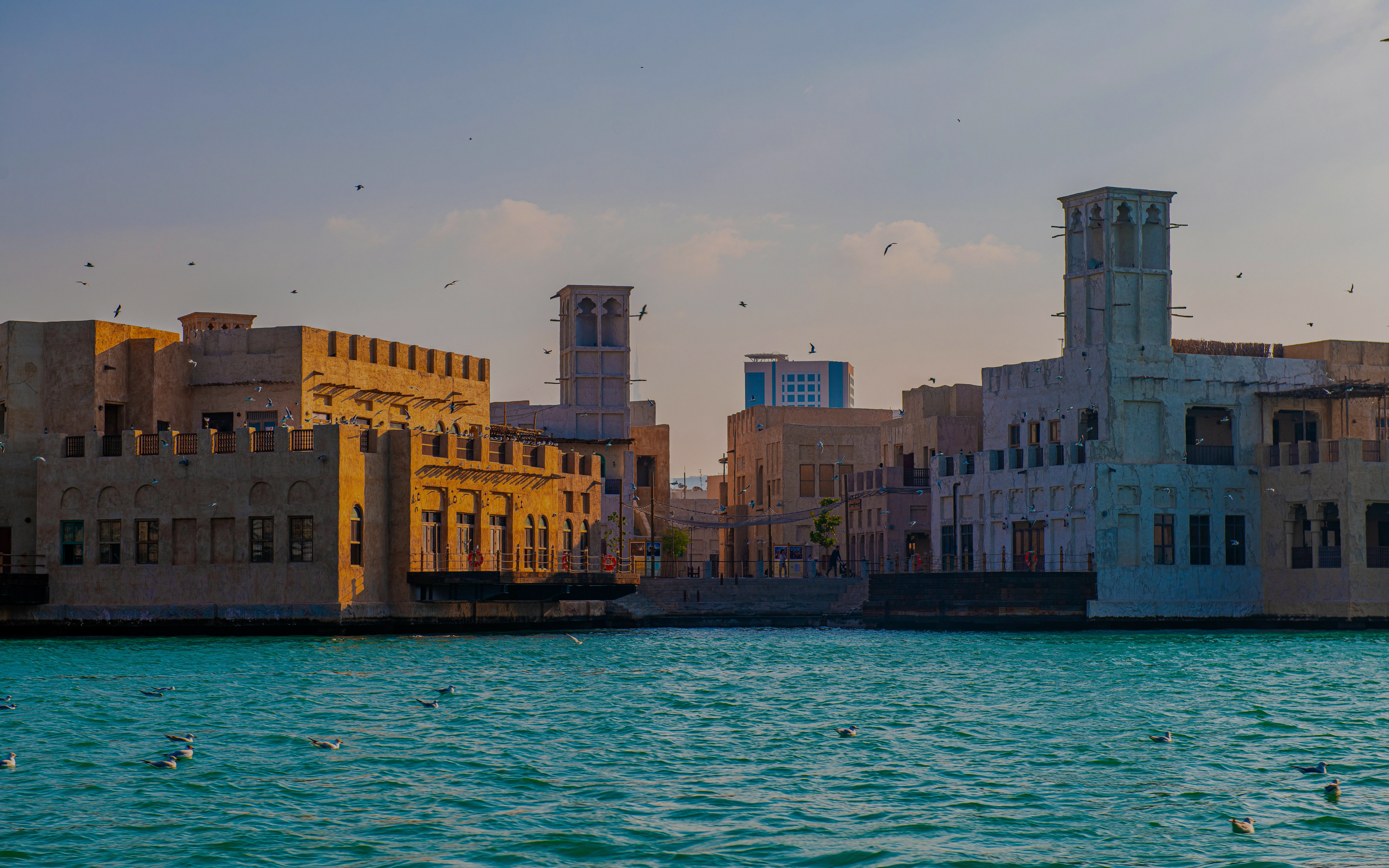
Dubai Creek from the abra (evening)
Sit on the right side of the abra toward Bur Dubai for skyline reflections and golden-hour light on the Creek.
Dining in Deira
For a structured food experience in Deira, book the Dubai Old Town, Street Food and Souks Guided City Tour it covers the Spice Souk, market snacks, and the food culture of the souk district with a guide who explains the history behind what you are eating.
Should you stay in Deira?
Short answer: Yes, if you want lower hotel prices and easy access to Dubai’s historic souks and Creek. Less ideal for beaches, luxury nightlife, or staying near the Burj Khalifa.
- The vibe: Deira is busy, local, and active late into the evening, especially around Al Rigga and the souks. It’s more commercial and residential than polished or resort-like.
- The logistics: Hotels are far cheaper than Downtown or JBR, with metro access via Union and Baniyas Square stations connecting directly to the airport and city.
- Who it’s for: Great for budget-conscious travellers and visitors wanting to explore old Dubai on foot. Less suited to those prioritising beaches, luxury resorts, or quieter stays.
- Top recommendation: Stay near Baniyas Road on the Creek waterfront for easy access to the abra, souks, and metro.
Explore other neighbourhoods
Frequently asked questions about Deira
The Gold Souk in Deira is widely cited as the largest gold market by number of shops and by the estimated weight of gold on display at any one time. Figures cited range from 10 to 25 tonnes. The souk has over 380 registered gold retail outlets concentrated in a small area. Whether it holds the single largest volume of gold on display globally is difficult to verify definitively, but by shop density and physical gold on show, it has no close equivalent in a single open market.
The public abra crossing between Deira and Bur Dubai costs AED 1 (approximately USD 0.27) per person. The fare is paid in cash to the boat operator as you board. The crossing takes 3-5 minutes. Boats run continuously from early morning until late evening. There is no ticket you simply board and pay on the boat.
Weekday mornings from opening (around 10am) until noon are the least crowded. Tour groups arrive between 10:30am and noon; by midday the main arcade is significantly busier. Most shops close between 1pm and 4pm, so avoid planning a visit in that window. The souk reopens in the late afternoon and stays busy into the evening, with the latest shops closing around 10pm. Shops are also closed on Friday mornings; the souk opens on Friday afternoon.
Yes, with standard precautions. The gold price in the souk tracks the international spot rate, which is displayed at the souk entrance check this before browsing and use it as your reference. The gold itself is hallmarked and regulated by the Dubai government. The area where negotiation applies is the "making charge" (workmanship fee), which varies between shops and is negotiable. Compare the same item across two or three shops before committing. Avoid anyone outside the souk who offers to take you to "a better price inside" these individuals are earning a commission that you will end up paying.
The original Deira Fish Market has relocated from its old Creek-side position. A new fish market facility was constructed to replace it; check the current operating location before visiting. The market remains one of the largest fish markets in the UAE, selling fresh catch from the Arabian Gulf and Indian Ocean, but the original waterfront site may no longer be in operation as a public market.
By Dubai Metro (Red Line), Union Station in Deira is approximately 20-25 minutes from Burj Khalifa/Dubai Mall Station. By taxi in normal traffic, the journey takes 15-20 minutes; during peak hours it can take 30-40 minutes due to Creek crossing traffic. There is no practical walking route between Deira and Downtown the metro or a taxi is necessary.
A day in Deira without ticketed activities is very inexpensive by Dubai standards. Abra crossing: AED 1 each way. Lunch at a Deira restaurant: AED 20-50 per person. Snacks and tea in the souk: AED 10-20. Metro to/from: AED 5-10 depending on origin. Total without shopping: AED 40-80 for a full day. A dhow dinner cruise adds AED 100-250 per person depending on the package. Gold and spice purchases are the main variable.
Yes. Deira is a working commercial and residential district with a large Muslim and conservative South Asian population. Shoulders and knees should be covered in the souk area and on the Creek waterfront. Loose, light clothing (cotton or linen) works well for the weather and is appropriate for the area. Swimwear, sleeveless tops, and shorts above the knee are out of place in the souk streets. The dress standard is more relaxed in hotels and air-conditioned malls such as Al Ghurair Centre.
Most Gold Souk shops are closed on Friday mornings and open in the afternoon, typically from around 4pm or 5pm. The souk is busiest on Thursday and Friday evenings, the UAE weekend, so if you want to browse without crowds, avoid Friday evenings. On weekdays, the quietest window is weekday mornings from opening until noon.
Deira and Bur Dubai are complementary rather than interchangeable, most first-time visitors to old Dubai see both on the same half-day. Deira has the Gold Souk, Spice Souk, and Creek wharfage; Bur Dubai has the Al Fahidi Historical Neighbourhood (the restored courtyard houses) and the Dubai Museum. The Creek abra connects the two in 5 minutes. If you have only 2-3 hours, Deira's souks are the stronger draw; if you have a full day, combining both via the abra is the most complete version of old Dubai.